Strength With Fewer Shenanigans
Building muscle past 40 can feel like someone quietly changed the rulebook. The routines that once worked don’t land the same. Recovery takes on new importance, and strength becomes less about chasing bigger numbers and more about staying capable in everyday life. If you’re ready to figure out what actually moves the needle now, then join us as we explore 20 crucial tips.

1. Prioritize Compound Lifts
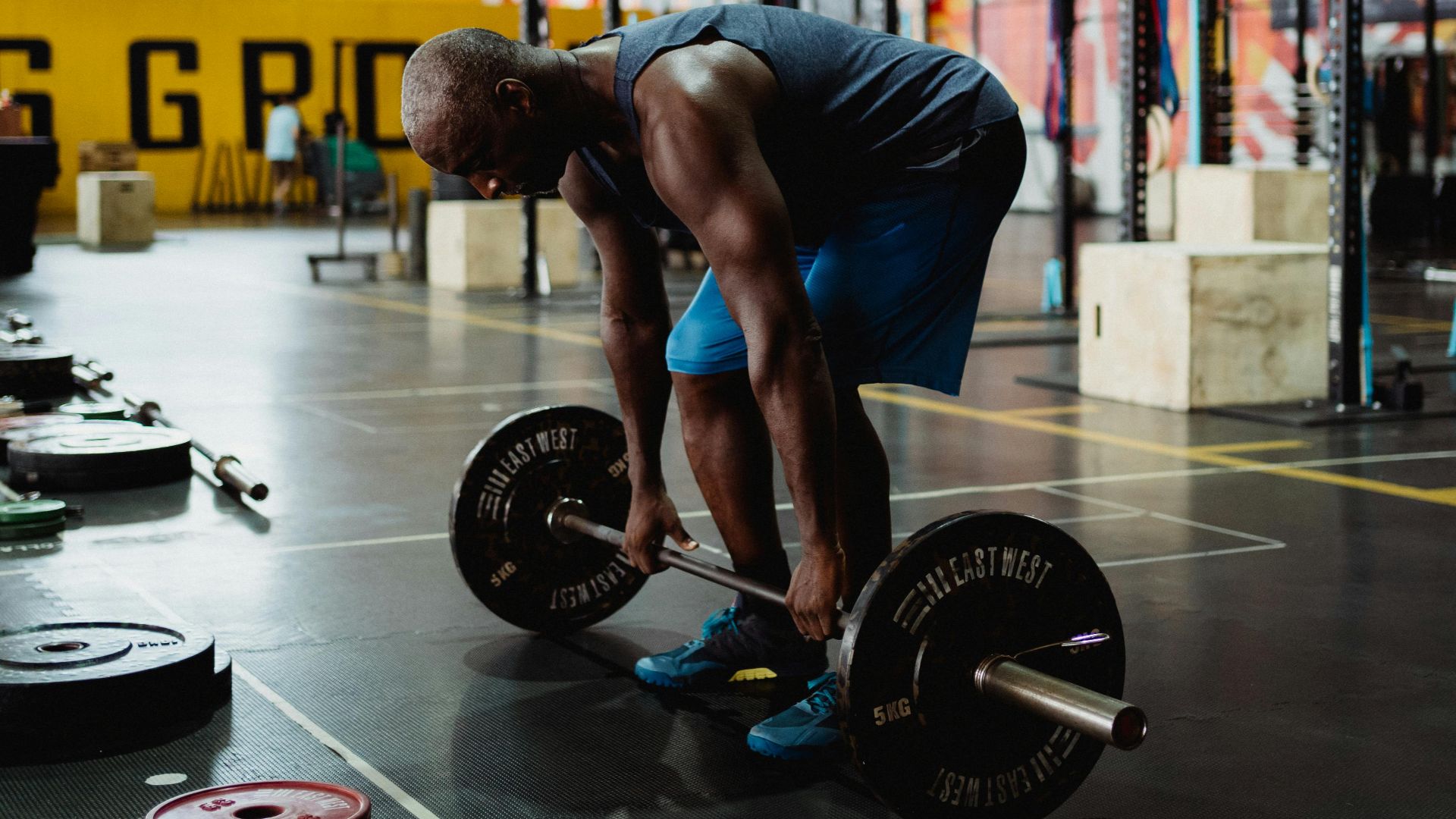
A lot starts to click once big, multi-joint movements take center stage. Squats, lunges, deadlifts, presses, and rows work several muscles at once and feel closer to real-life moves like lifting or climbing. That bigger challenge lets heavier weights move safely.
2. Incorporate Progressive Overload With Caution
Some lifters keep wondering why pushing harder doesn’t feel the same anymore. Recovery slows after 40, so the body handles less total work. Small increases—like 2–5% weekly in weight, reps, or sets—give enough pressure to grow without jumping into loads that create problems.

3. Focus On Controlled Eccentric Movements
Plenty of people rush the lowering part of a lift, even though slowing it down does more for muscle growth. It’s best to take three to five seconds on the descent. Any lift works for this as long as the downward phase stays steady.

4. Schedule Longer Warm-ups
Sessions feel smoother just by taking more time at the start. Extra warm-up minutes boost body temperature and wake up muscles for heavier lifts. Light cardio makes everything safer, especially for compound movements that stress bigger areas.

5. Use Resistance Bands
Bands help when joints don’t love heavy loading, and muscles still need resistance. They give steady tension across the whole movement and make things easier to learn. For anyone over 40, that mix of support and challenge keeps training effective without piling stress onto sensitive spots.

6. Add Unilateral Training
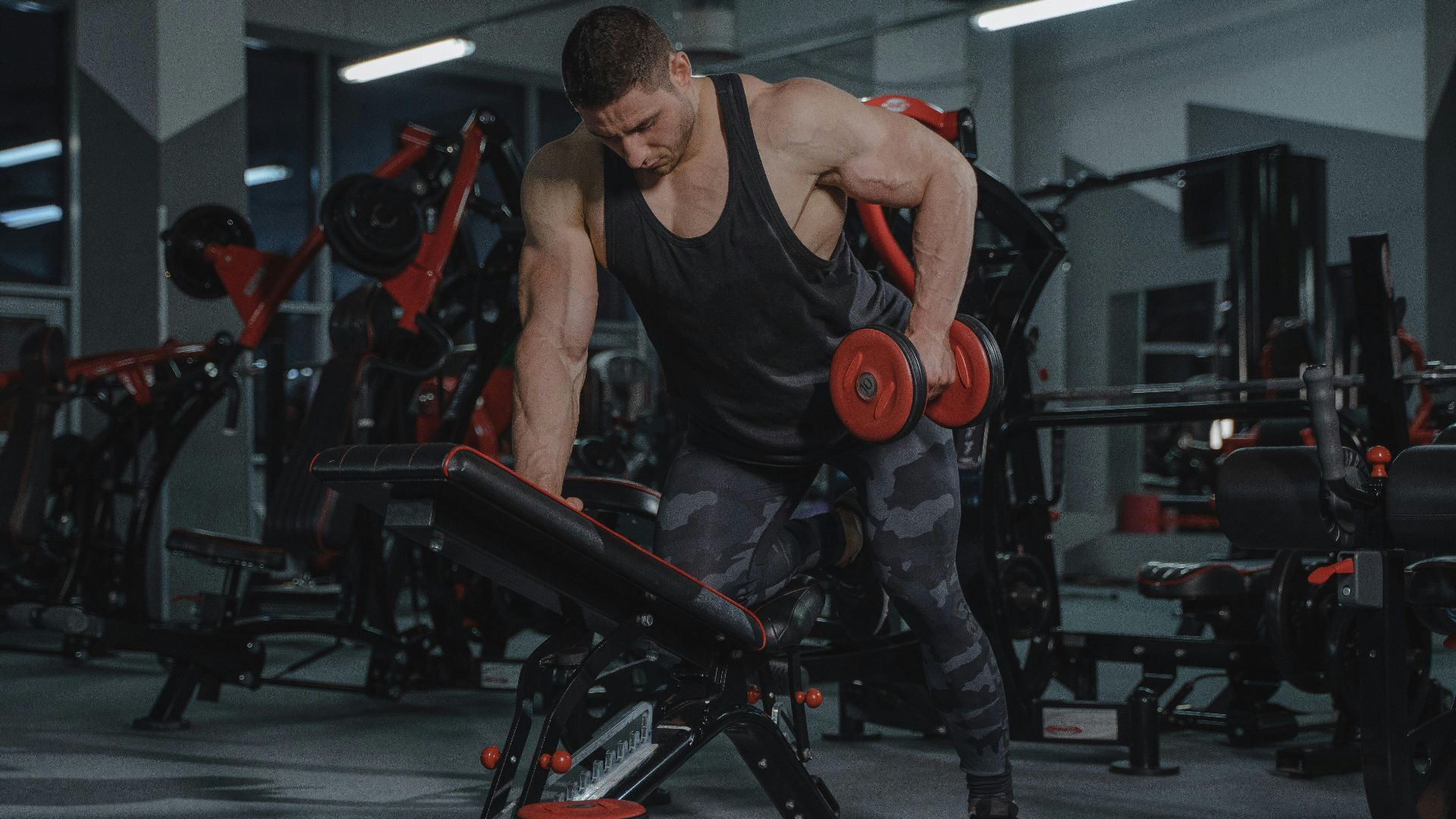
Working one side at a time shows which leg or arm is secretly falling behind. Moves like single-leg Romanian deadlifts and Bulgarian split squats clean up strength imbalances. Fixing those small gaps matters more with age because balanced strength lowers the chance of injury.
7. Limit Ego Lifting
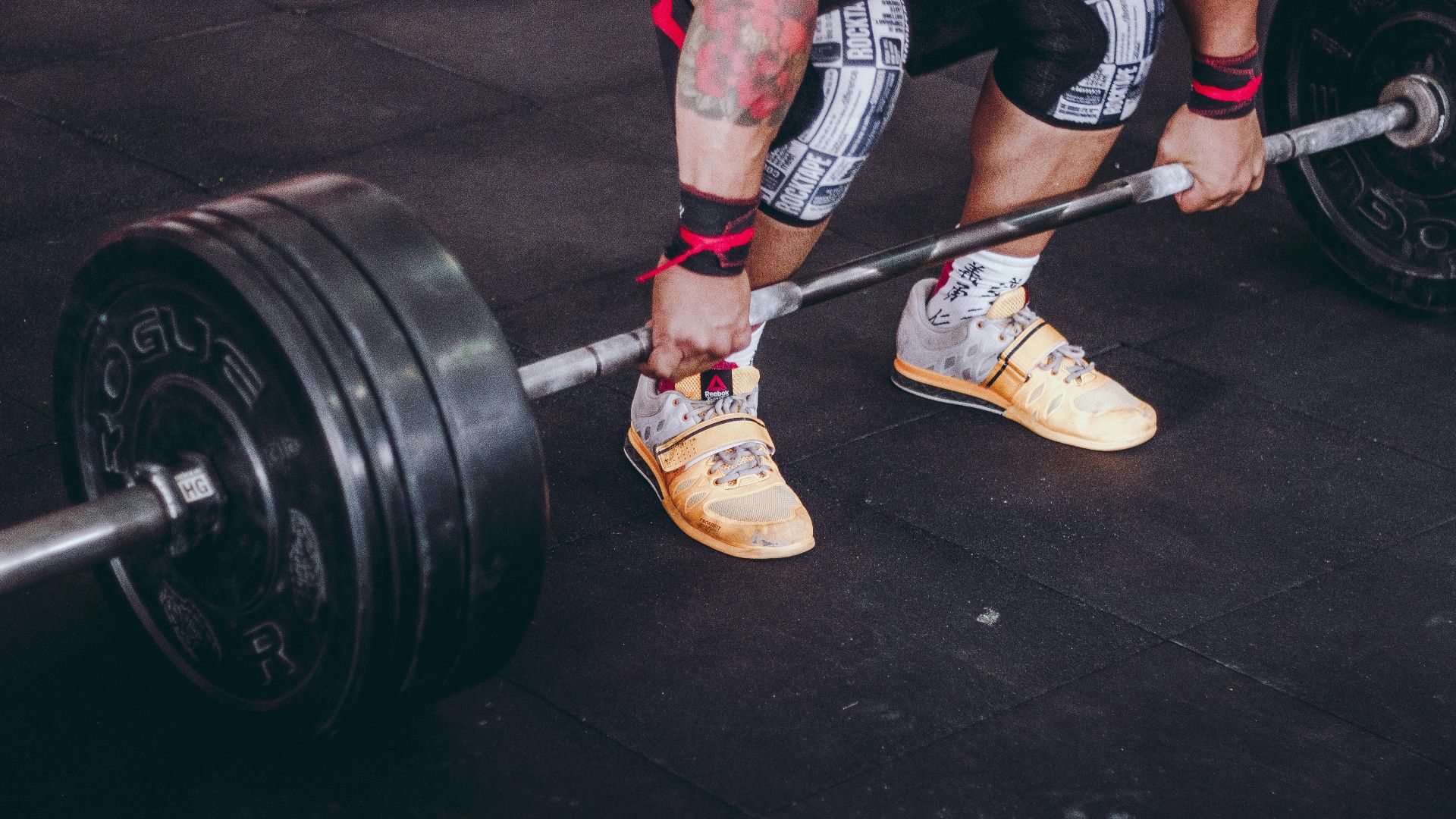
Everyone’s seen someone load the bar too heavy and barely control the rep. After 40, you should always keep weights at a level where form stays clean. This leads to better results than chasing numbers that don’t match ability.
8. Increase Protein Intake
When training breaks muscle fibers down, the body can only rebuild them with the right raw materials. Protein becomes especially important because recovery slows and muscle needs more support. Getting enough throughout the day keeps muscle protein synthesis steady.

9. Consider Professional Coaching
Lifters find that progress picks up fast once a trained eye watches their form. Squats hit quads, glutes, hamstrings, and core, and they demand careful technique. Coaches help correct movement and suggest safer options.

10. Supplement With Creatine
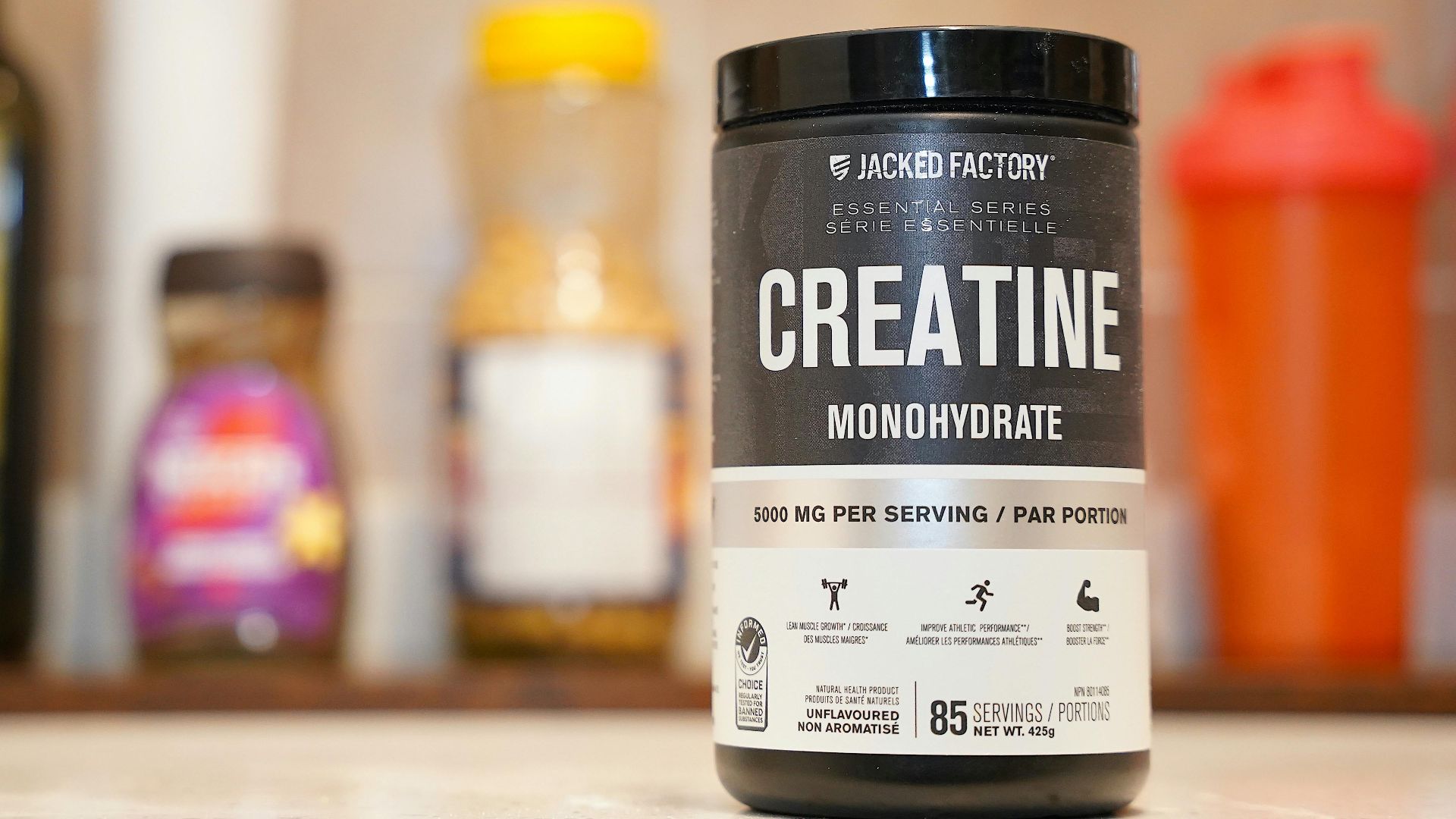
Creatine helps when sets start feeling harder than they should. A simple 3–5 grams daily boosts the body’s energy supply during heavy reps, thanks to higher phosphocreatine stores. That extra ATP support also improves recovery and muscle protein synthesis, which really benefits anyone building strength.
11. Ensure Adequate Vitamin D
You will feel stronger once vitamin D stops being an afterthought. Sunlight or supplements keep muscle function sharp. Pairing solid vitamin D levels with compound work—8–10 heavy reps or 12–20 lighter ones—helps the body handle tension better during those three or four weekly sessions.

12. Optimize Sleep Quality
A lot of progress comes from what happens after the lights go off. Seven to eight hours in a cool, dark room keeps recovery smooth and hormone levels steady. That rest supports weekly staples and lets every session land the way it should.

13. Manage Stress
Plenty of lifters hit plateaus when stress stays high. High cortisol slows muscle repair and protein synthesis, which matters more after 40. It’s suggested to keep stress down through hobbies or simple relaxation. This helps the body respond better to exercise.

14. Incorporate Active Recovery Days
Heavy sessions hit hard, which makes recovery days more important than they sound. Low-intensity movement increases blood flow while keeping the nervous system fresh, whether it’s walking, gentle stretching, swimming, or yoga. That simple approach keeps soreness under control and supports demanding lifts.

15. Schedule Regular Deload Weeks
Dropping volume and intensity by roughly half for a week gives muscles, joints, and the nervous system time to reset. The short break prevents overtraining and keeps long-term progress moving instead of hitting walls that take months to recover from.

16. Train Mobility And Flexibility
Some lifters finally fix nagging stiffness once mobility work becomes routine. It improves the range of motion and makes strength training safer after 40. Better mobility also sharpens form on moves like pull-ups, which helps muscles fire correctly without fighting tight spots.
 Chevanon Photography on Pexels
17. Use Tempo Training
Tempo work changes the feel of a lift instantly. Instead of rushing, slowing every phase creates more time under tension without adding heavy weight. A three-to-four-second eccentric sharpens form and increases muscle stimulus, which matters a lot when you’re protecting recovery after 40.

18. Track Progress With Strength Logs
You’ve probably had days where progress feels invisible, and that’s where logging helps. Writing down weights and performance turns hidden improvements into clear markers. Those notes show when to bump the load and give lifters a reliable system for slow, steady muscle growth.

19. Hydrate Adequately
Strength issues sometimes come down to simple dehydration. By staying hydrated, you support nutrient delivery and muscle function. Stronger hydration habits also support unilateral work like single-arm rows to help both sides develop evenly rather than leaving one lagging behind.

20. Stay Consistent
Progress stacks up for lifters who simply keep showing up. Strength grows when training happens week after week with enough rest, food, and smart choices. Three or four focused sessions and steady overload build the muscle you want after 40, as long as the routine stays consistent.

KEEP ON READING



20 Natural Ways You Can Boost Your Immune System

20 Ways To De-stress & Relax After Work

The 10 Most Common Diseases & The 10 Most Rare