Your Bones May Be Changing More Quietly Than You Realize
Bone loss often happens gradually, which is why many people don't realize it's occurring until they experience a fracture or receive the results of a bone density scan. While osteoporosis and low bone density don't always cause obvious symptoms early on, your body may offer subtle clues that it's time to pay closer attention. Here are 20 signs you're losing bone density.
 Kateryna Hliznitsova on Unsplash
1. You've Lost Height
If you've become noticeably shorter over the years, it could be more than a normal part of aging. Bone loss can contribute to tiny compression fractures in the spine, which gradually reduce your height. Even losing an inch or more is worth mentioning at your next medical appointment.
 National Library of Medicine on Unsplash
2. You Have a Stooped Posture
A rounded upper back isn't always caused by poor posture alone. Weakening bones in the spine can contribute to compression fractures that gradually change your posture over time. You may notice yourself leaning forward more than you used to or having difficulty standing fully upright.
3. You Break Bones More Easily
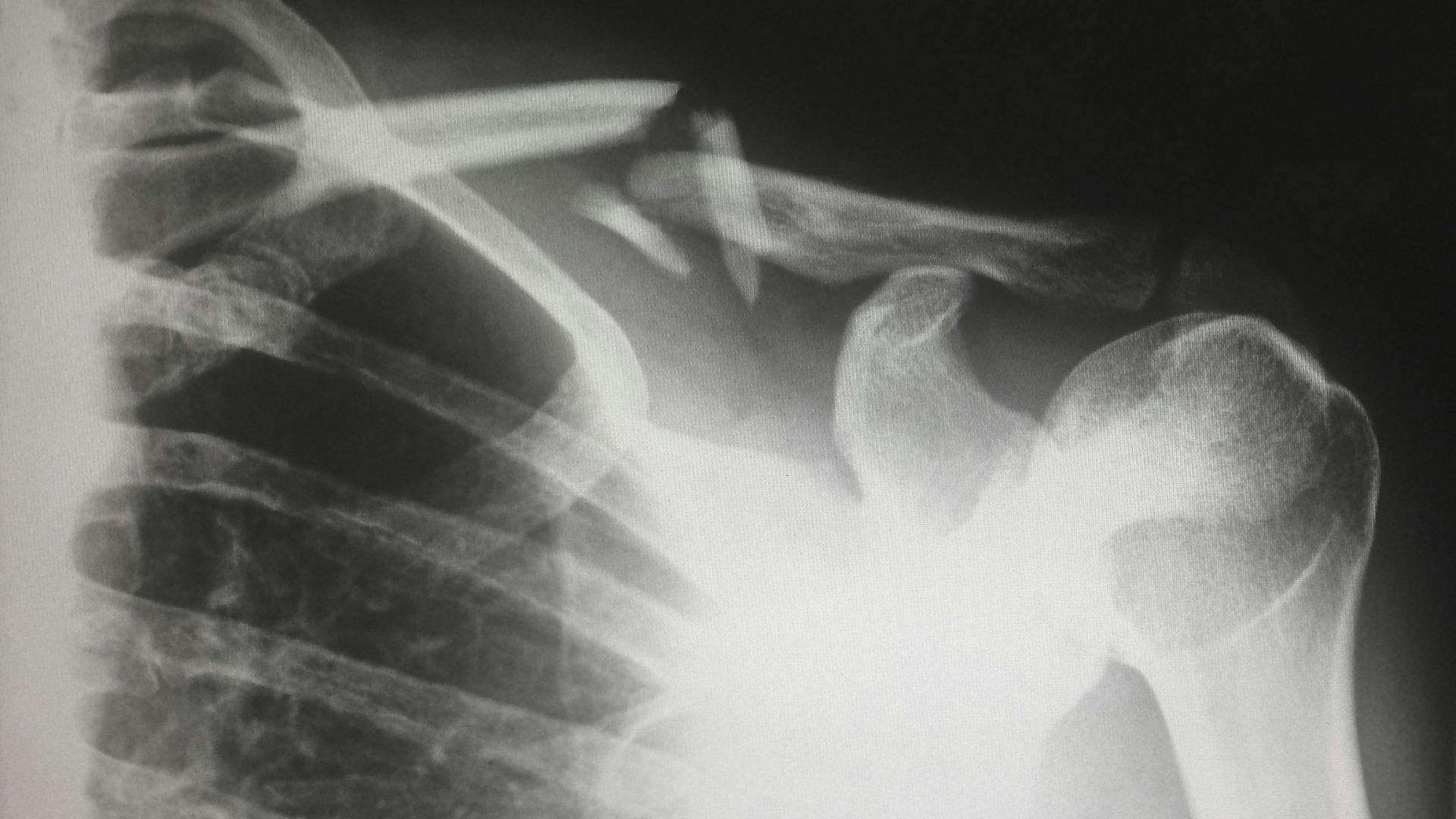
One of the clearest warning signs of reduced bone density is a fracture after a minor fall or everyday activity. Healthy bones are designed to withstand normal bumps and slips, so breaks from relatively low-impact events deserve attention. Wrists, hips, and the spine are especially common fracture sites.
4. Your Back Hurts More Often
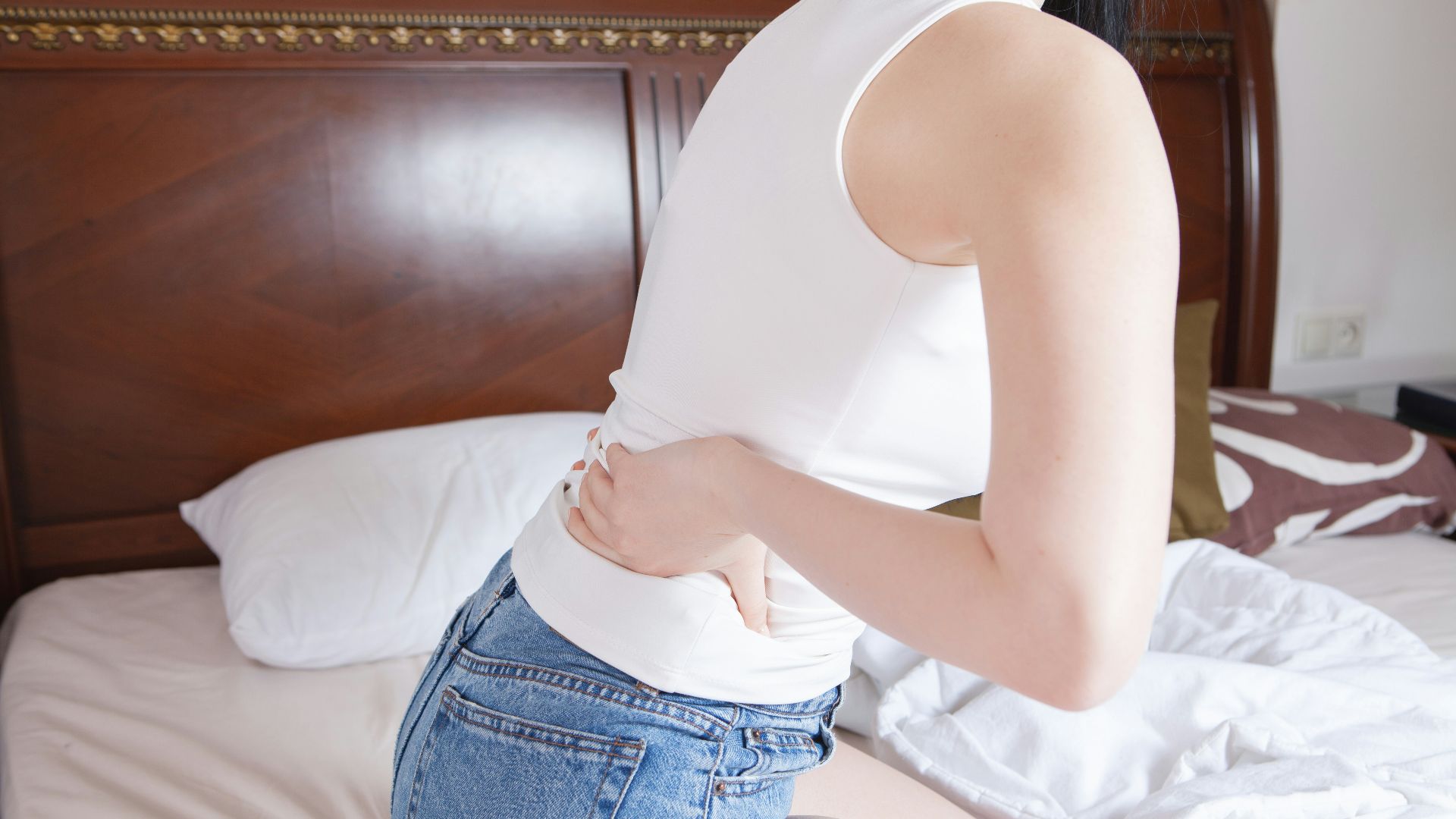
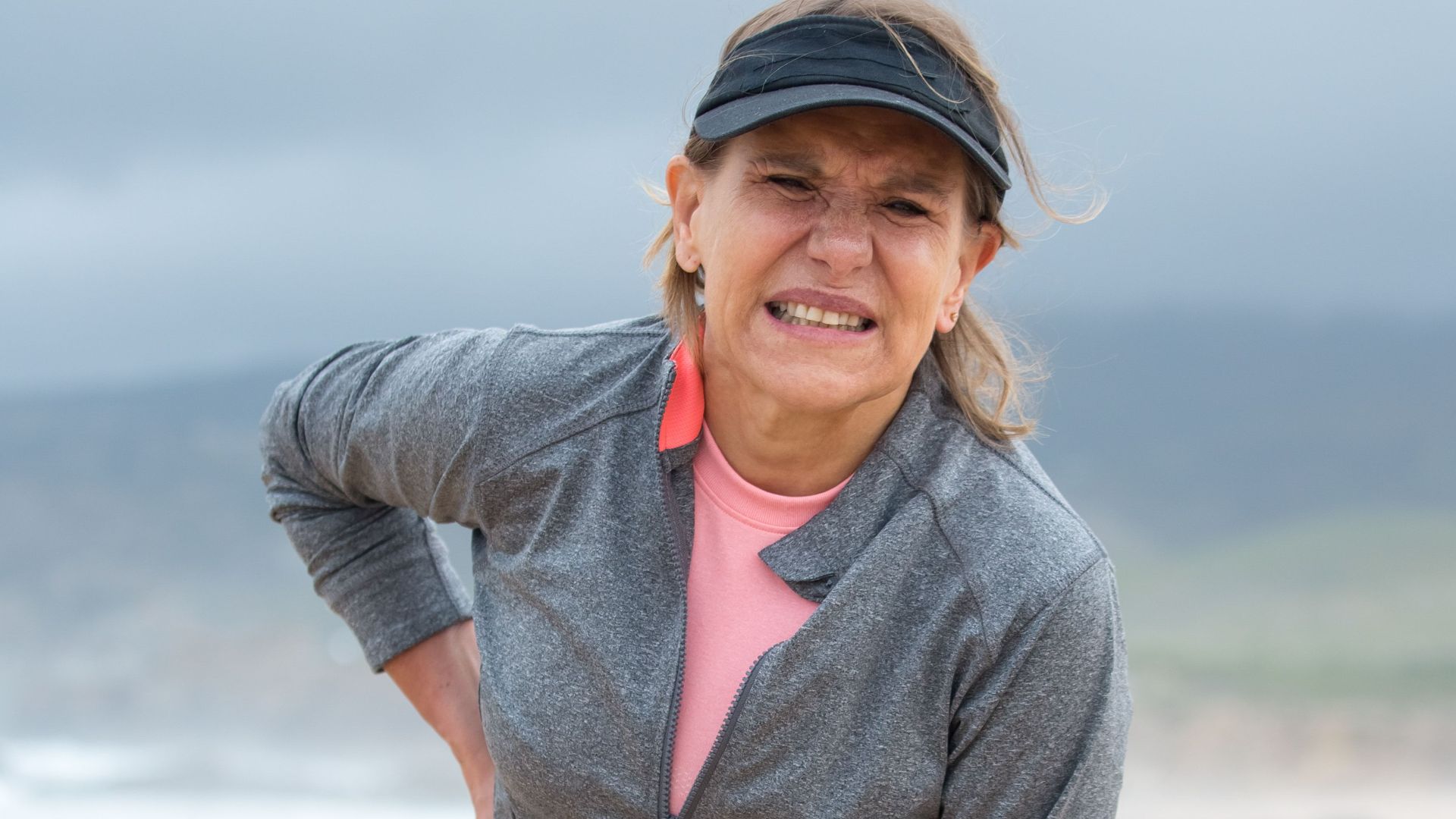
Persistent back pain can have many causes, but it may also be linked to tiny fractures in the vertebrae. These compression fractures sometimes occur gradually and aren't always obvious at first. The discomfort may linger or worsen over time without an obvious injury.
5. Your Grip Feels Weaker
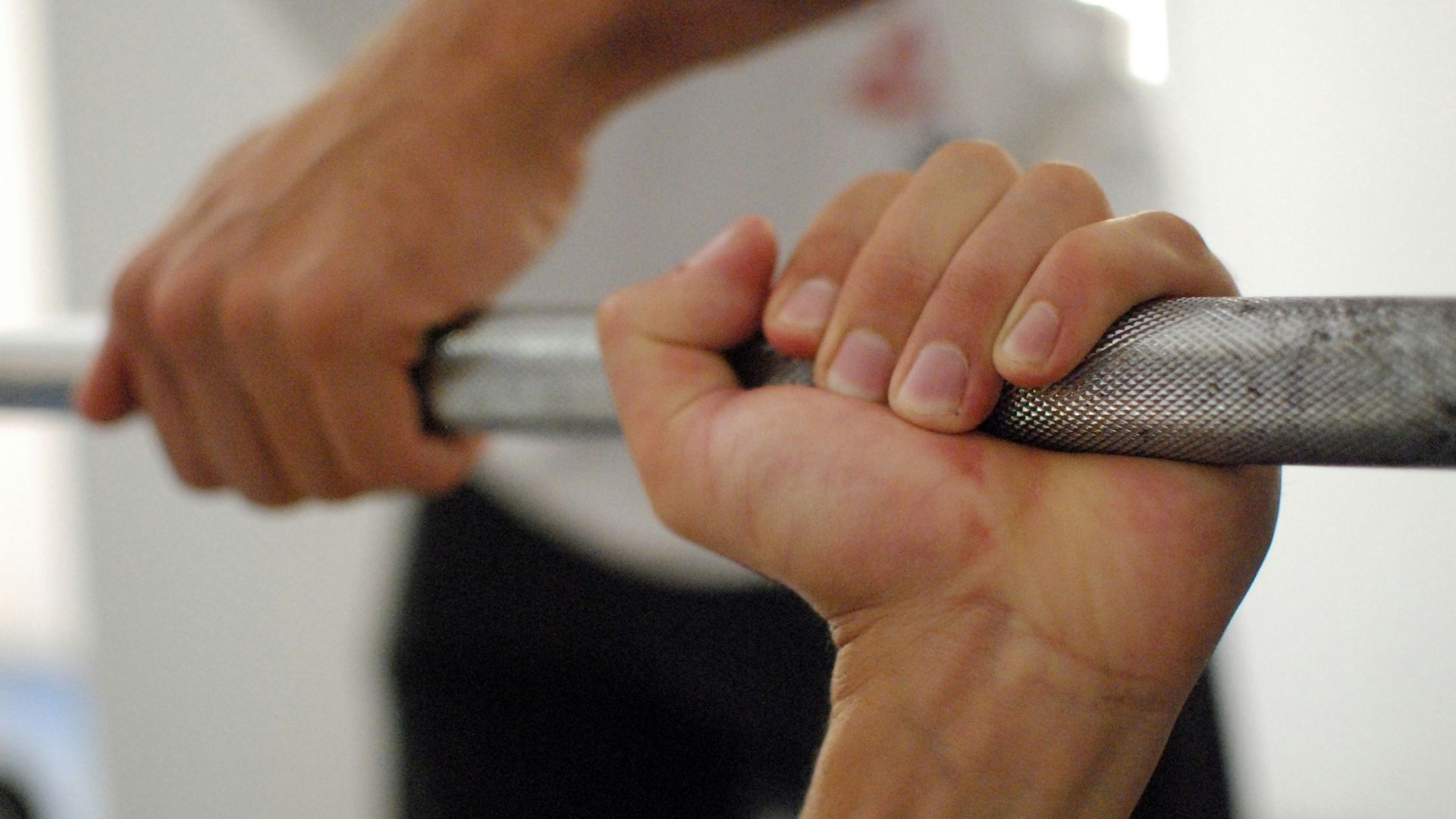
A weaker grip doesn't automatically mean your bones are losing density, but research has found an association between grip strength and overall bone health. Muscle strength and bone strength often influence one another throughout life. If opening jars or carrying groceries suddenly feels harder, it may be one piece of a larger picture.
6. You're Postmenopausal
After menopause, estrogen levels decline significantly, which can accelerate bone loss. That's one reason women become more vulnerable to osteoporosis as they age. Even if you feel perfectly healthy, bone density may still be changing beneath the surface.

7. You've Had Multiple Fractures
Breaking more than one bone as an adult, especially after minor injuries, can be an important warning sign. Repeated fractures may suggest your bones aren't as strong as they once were. While accidents certainly happen, a pattern deserves medical evaluation.
8. You Avoid Weight-Bearing Exercise
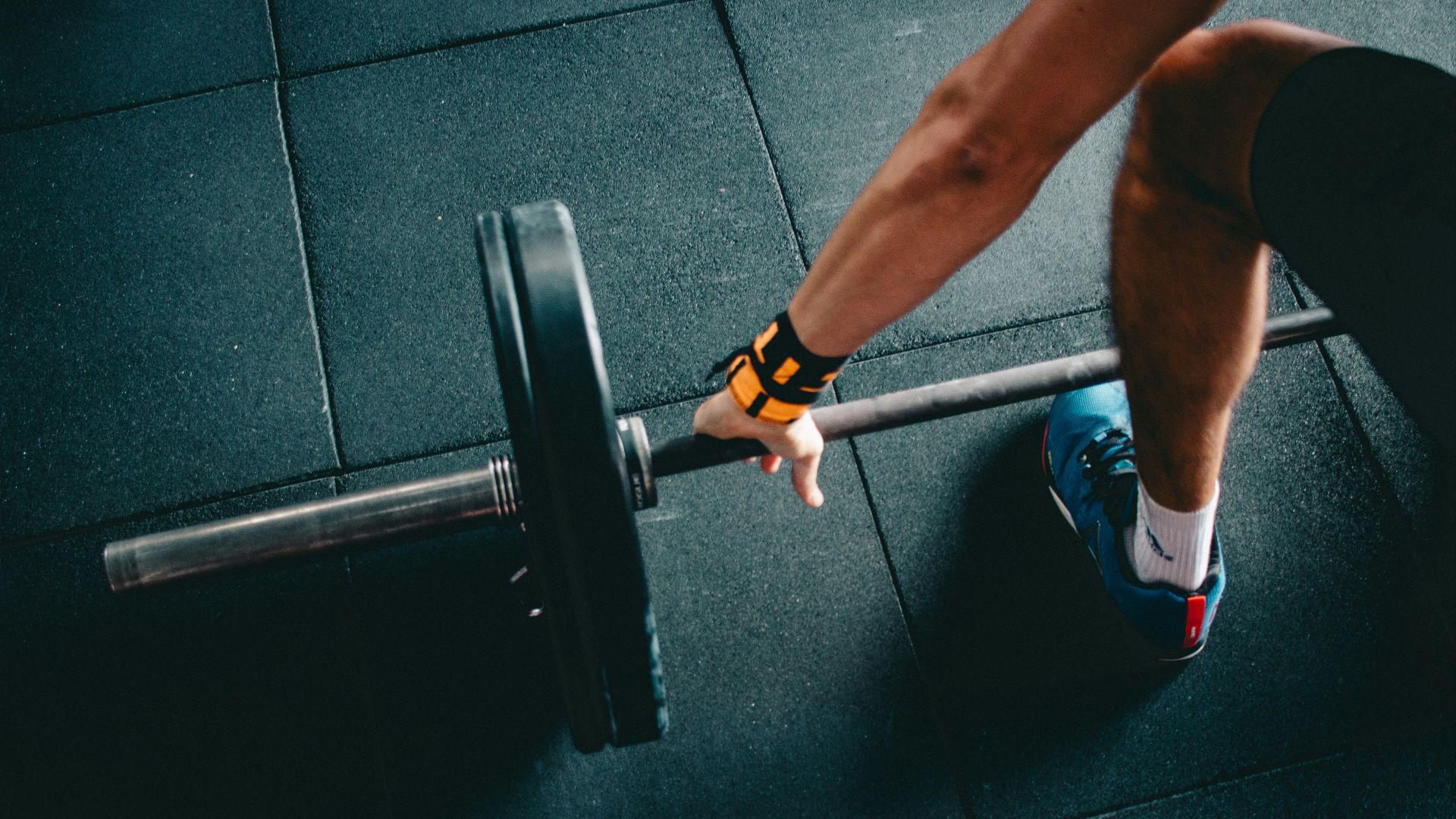
Bones respond positively to activities that make them work against gravity. If you've been inactive for a long time, your bones may not be getting the stimulation they need to maintain strength. Walking, dancing, resistance training, and similar activities can all support bone health.
9. You Don't Get Much Calcium
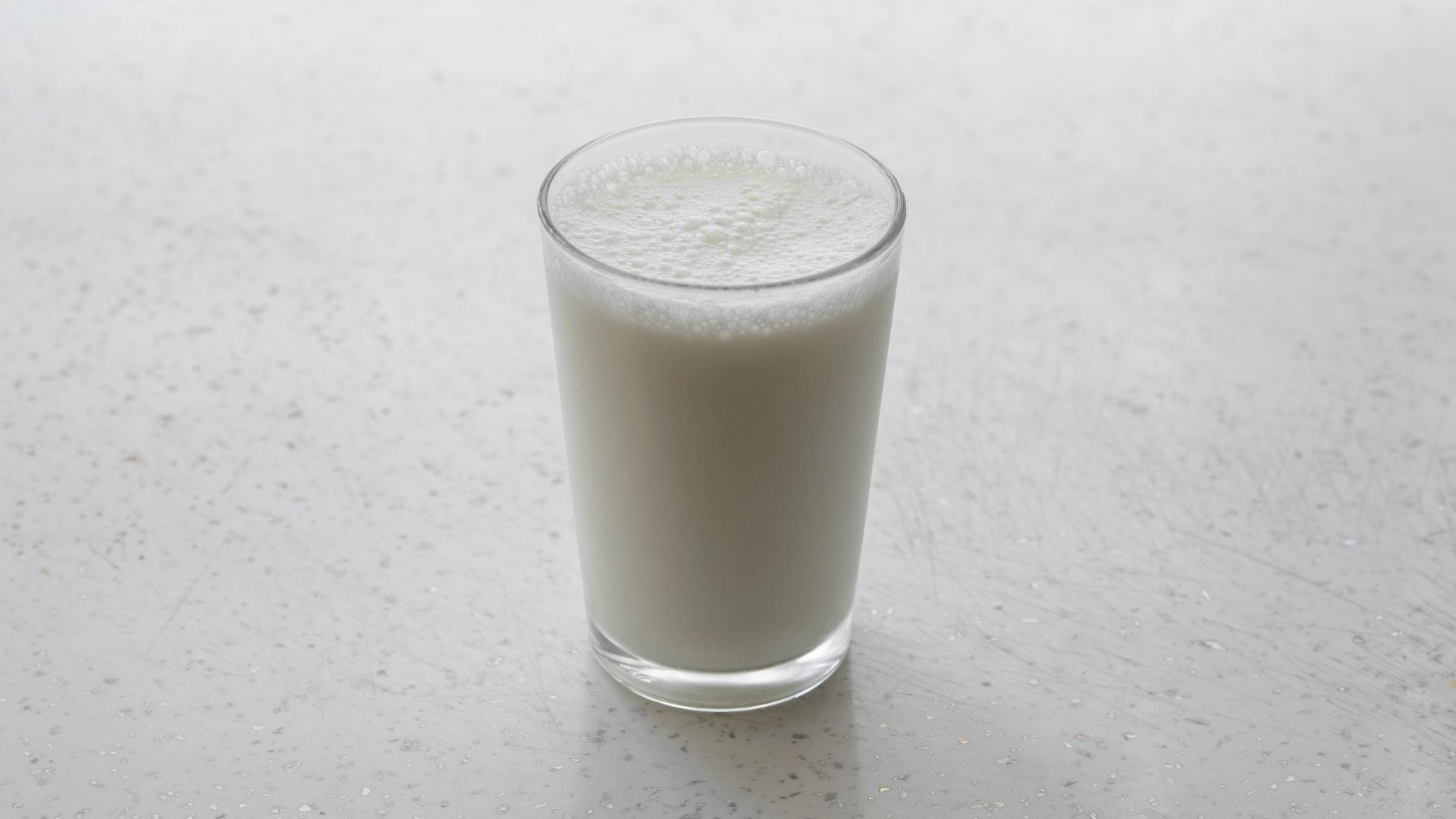
Calcium plays an important role in maintaining healthy bones throughout life. If your diet consistently falls short, your body may draw calcium from your bones to support other essential functions. Dairy products, fortified foods, leafy greens, and certain fish can all help meet your needs.
10. You Rarely Get Vitamin D
Vitamin D helps your body absorb calcium efficiently. Without enough of it, even a calcium-rich diet may not fully support your bones. Sunlight, fortified foods, fatty fish, and supplements can all contribute, depending on your individual needs.

11. You Smoke
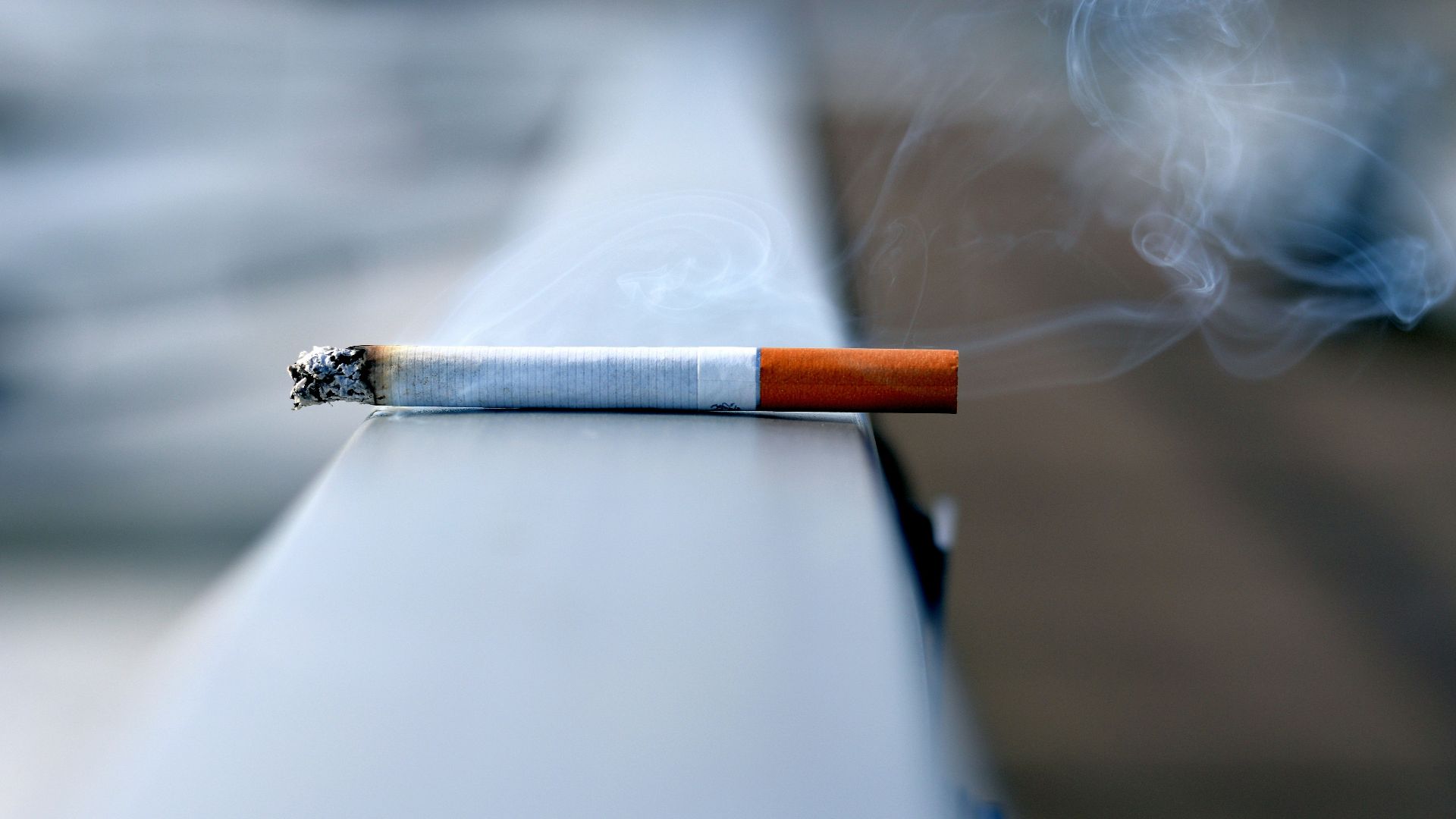
Smoking has been linked to lower bone density and a higher risk of fractures. It may interfere with the body's ability to build and maintain healthy bone tissue over time. The longer someone smokes, the greater the potential impact on bone health. Quitting offers benefits that extend far beyond your lungs.
12. You Drink Alcohol Heavily
Regular heavy alcohol consumption may weaken bones over time and increase the risk of falls. It can also interfere with the body's ability to absorb certain nutrients needed for bone health. Moderate drinking doesn't automatically lead to osteoporosis, but excessive intake can become a contributing factor.

13. Osteoporosis Runs in Your Family
Family history can play a significant role in your own risk of developing osteoporosis. If a parent or sibling has experienced osteoporosis or a hip fracture, it's worth mentioning to your doctor. Genetics don't guarantee you'll develop bone loss, but they can increase your likelihood.
14. You've Been Taking Steroids Long-Term
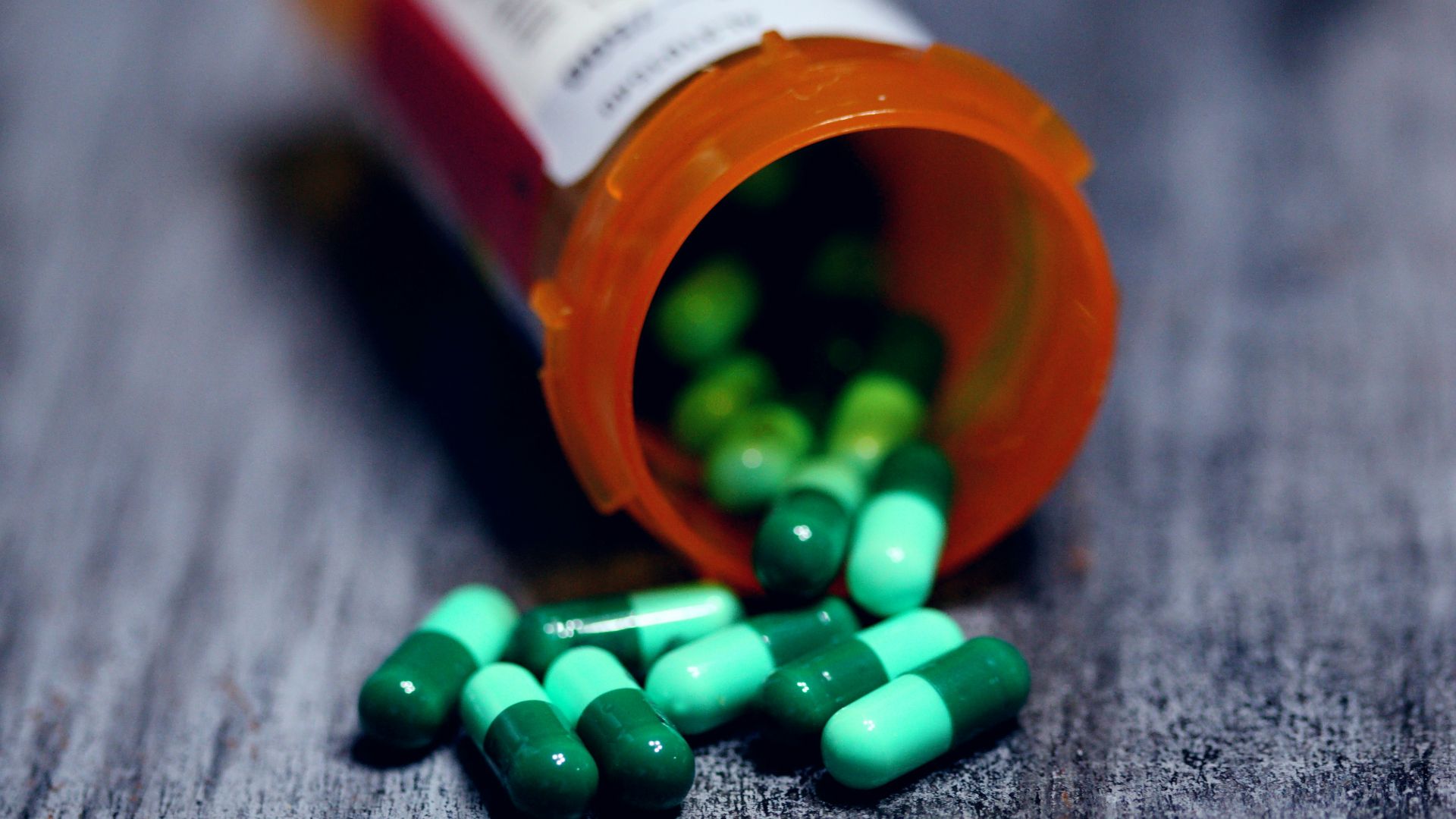
Certain corticosteroid medications can gradually reduce bone density when used for extended periods. These medications are often necessary for treating chronic health conditions, so you shouldn't stop them without medical guidance. Instead, your healthcare provider may recommend monitoring your bone health more closely.
15. You Have Trouble Maintaining Balance
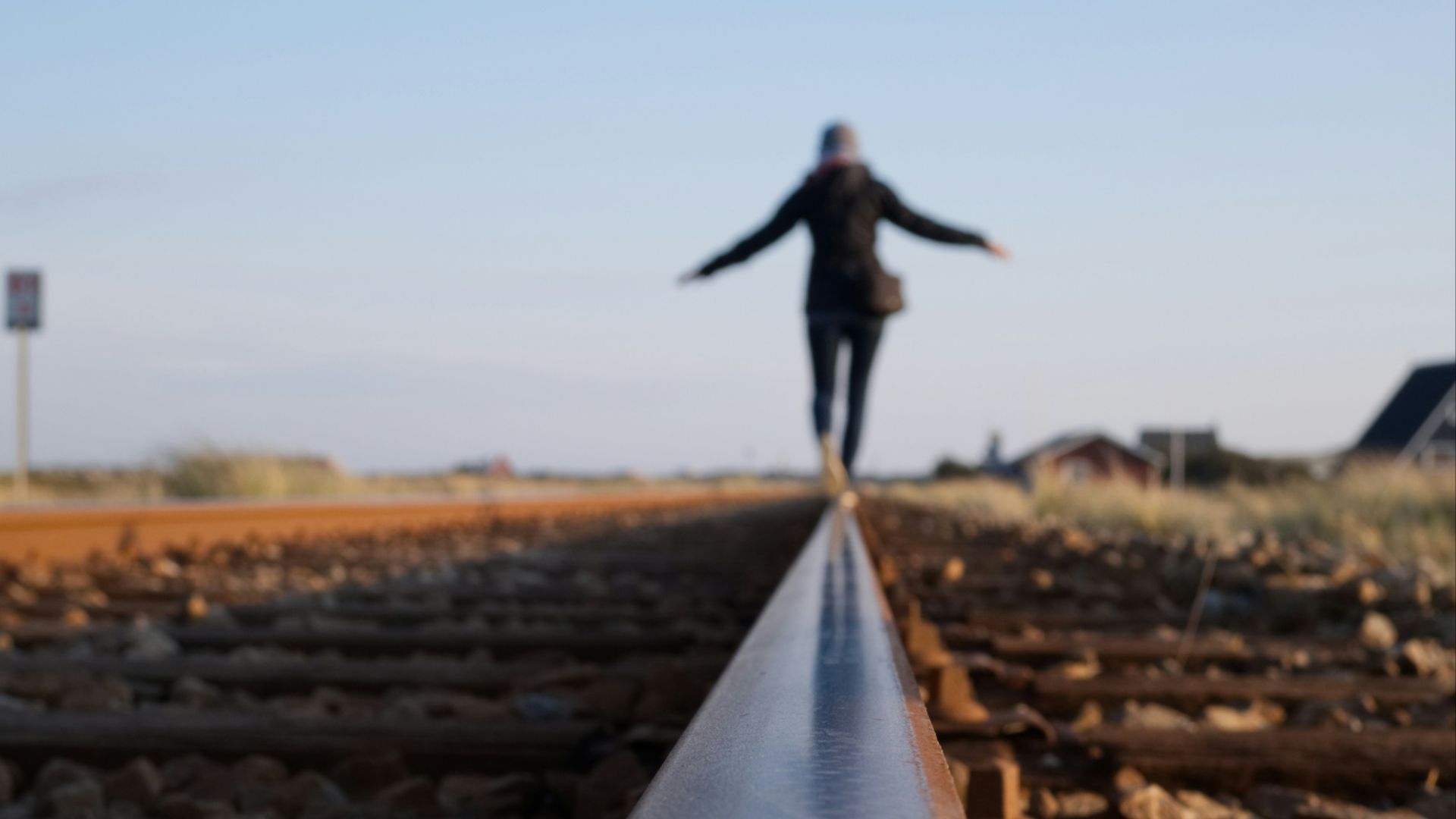
Balance problems don't directly cause bone loss, but they do increase the risk of falls and fractures if your bones are already weaker. As people age, maintaining good balance becomes an important part of protecting bone health. Exercises that improve stability can lower the chances of serious injuries.
 Niklas Ohlrogge (niamoh.de) on Unsplash
16. You've Been Diagnosed With Certain Medical Conditions
Conditions such as rheumatoid arthritis, celiac disease, hyperthyroidism, and chronic kidney disease may increase the risk of lower bone density. Some illnesses affect how nutrients are absorbed, while others influence hormones that regulate bone remodeling. Managing these conditions carefully can help reduce long-term complications.

17. You're Underweight
People with a low body weight often have a higher risk of reduced bone density. Having too little body mass may leave bones with less support while also reflecting lower nutrient intake in some cases. Maintaining a healthy weight can help support stronger bones throughout life.

18. Your Fractures Take Longer to Heal
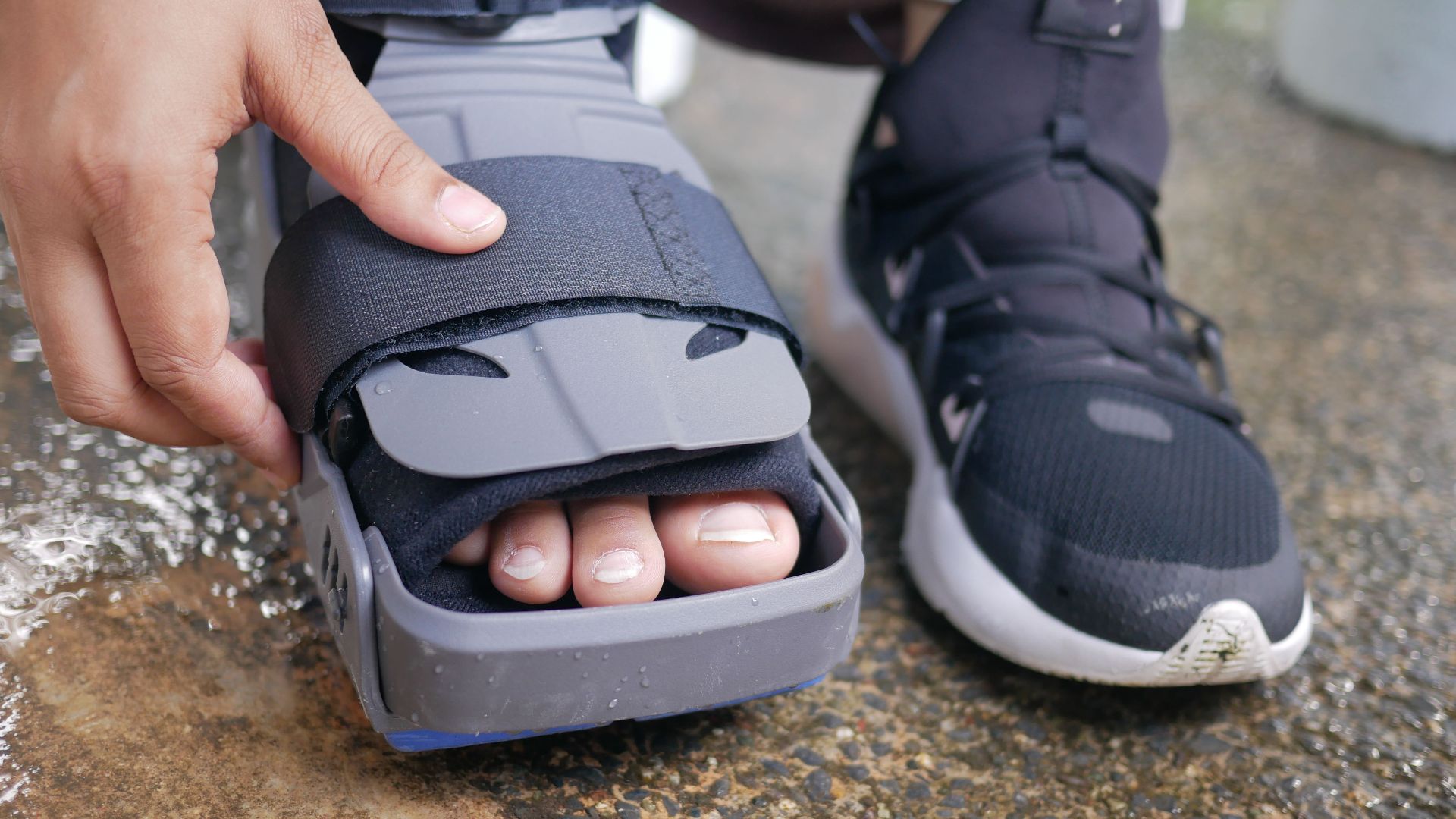
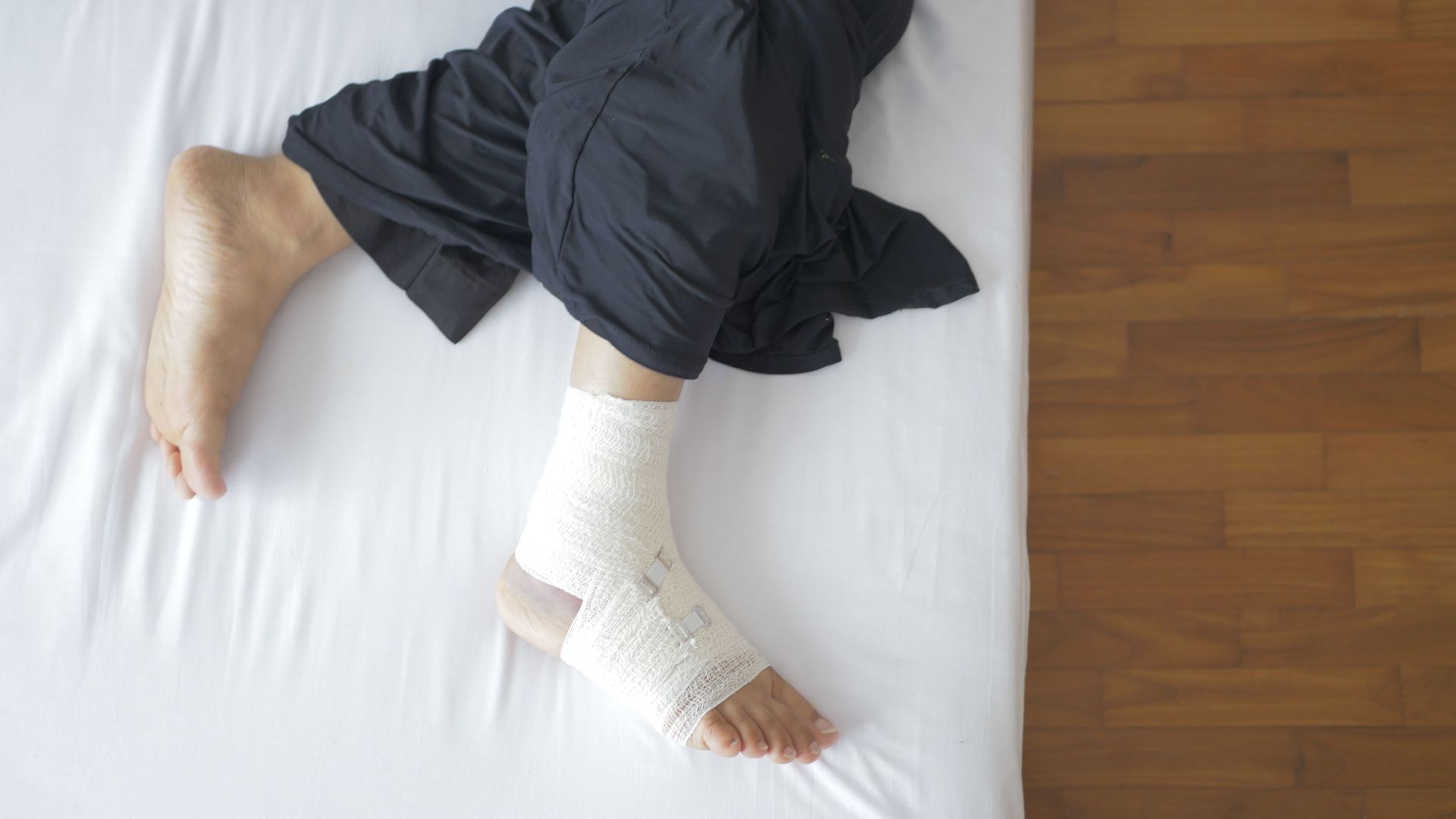
Healing time naturally varies from person to person, but unusually slow recovery after a fracture may deserve further evaluation. Bone quality can influence how efficiently your body repairs itself after an injury. If recovery seems unusually prolonged, bring it up with your healthcare provider.
19. You Haven't Had a Bone Density Test Despite Being at Risk
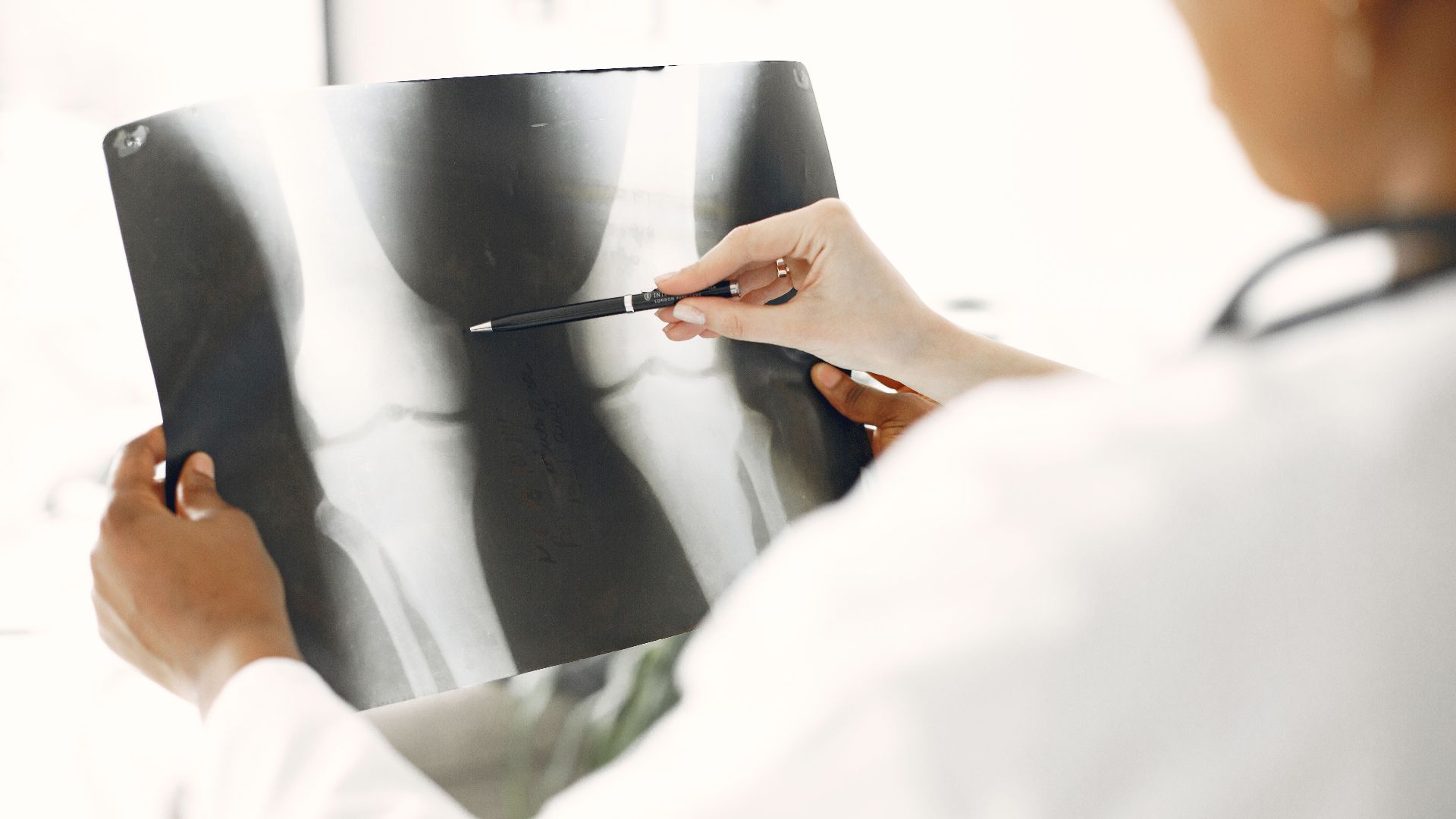
Bone loss often develops silently, making screening especially valuable for people with risk factors. Adults over a certain age, postmenopausal women, and individuals with specific medical conditions may benefit from bone density testing. Early detection gives you more opportunities to protect your bone health.
20. You Simply Feel More Fragile Than You Used To
Sometimes the biggest clue isn't a single symptom but a growing sense that your body doesn't feel as sturdy as it once did. You may notice yourself becoming more cautious about falls, lifting objects, or recovering from minor bumps. While that feeling alone doesn't prove bone loss, it can be a useful reminder to prioritize your bone health.