
To Fast Or Not To Fast
Intermittent fasting is a newer weight loss trend that’s popped up in recent years, and it often shows up in a couple of different ways. There’s the 16/8 method, the 5:2 diet, OMAD, or ADF, all of which involve long-term fasting or caloric restriction throughout the week. While many folks find that this dietary style has helped them lose weight and have more control over their life, it's definitely not recommended for everyone. To learn more, read on.

1. Weight Loss
The idea behind intermittent fasting is ultimately to eat at a caloric deficit. This particular method is done by forcing your body to use its energy stores (also known as fat) to keep your bodily functions working. The prolonged periods of no food can also help folks to eat less overall.

2. Metabolism
While it's more commonly known that going long periods without food actually causes a drop in metabolism, studies have claimed that this metabolic shift to stored fat and sugars can actually help to increase this essential bodily function.

3. Heart Health
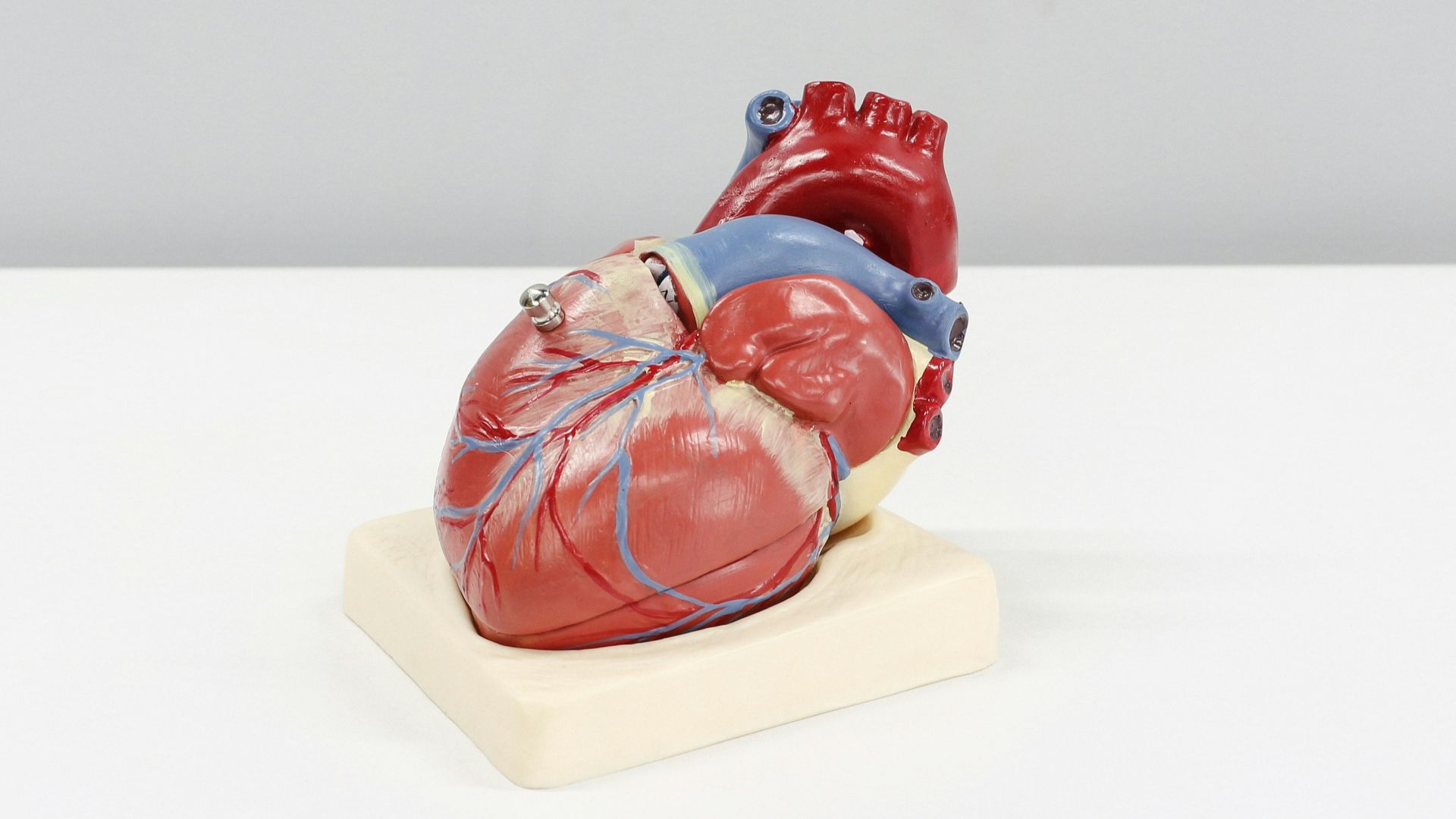
Other studies have shown that alternate-day fasting can help reduce cholesterol and blood pressure levels, as well as the fat triglycerides. This, in the long term, can reduce your risk for heart disease.
4. Brain Function
As your body switches from glucose to ketones, which is the preferred fuel for neurons, you may find that your memory, focus, and general mental state are improved. Intermittent fasting helps to support the survival, growth, and formation of new neurons, and can help protect the brain cells from sustaining injuries.
5. Cellular Repair
As you’re in a nutrient-deprived state, your body is triggered into a process called autophagy, or cellular recycling. This leads to damaged or old cells being broken down for energy, while still building a foundation for new, healthy cells to grow.

6. Time Management
Aside from the internal benefits, intermittent fasting may be of use to you in terms of scheduling. If you’re someone who thrives on a routine or needs to create a set of rules to follow, having a dedicated timeframe to eat may be of use to you.

7. Reduce Inflammation
Inflammation is crucial to fight infection in the body, but too much inflammation can lead to various diseases. Intermittent fasting can help to calm the body’s immune cells, putting them in “sleep mode.”

8. Improved Insulin Sensitivity
Insulin is the hormone that helps cells absorb energy and lowers the amount of sugar entering your bloodstream, but if you’re eating all the time, you’re constantly triggering your insulin production. By shortening your eating period, you may find that your insulin levels will drop, which can also lead to better insulin intake and hormone balance.
9. Fewer Age-Related Diseases
By lowering blood sugar, inflammation, insulin, and so on and so forth, your body is better equipped to handle stress and potential diseases. Studies have shown promising results for delaying neurodegenerative diseases, multiple sclerosis, and possibly even cancer.

10. Improved Blood Sugar
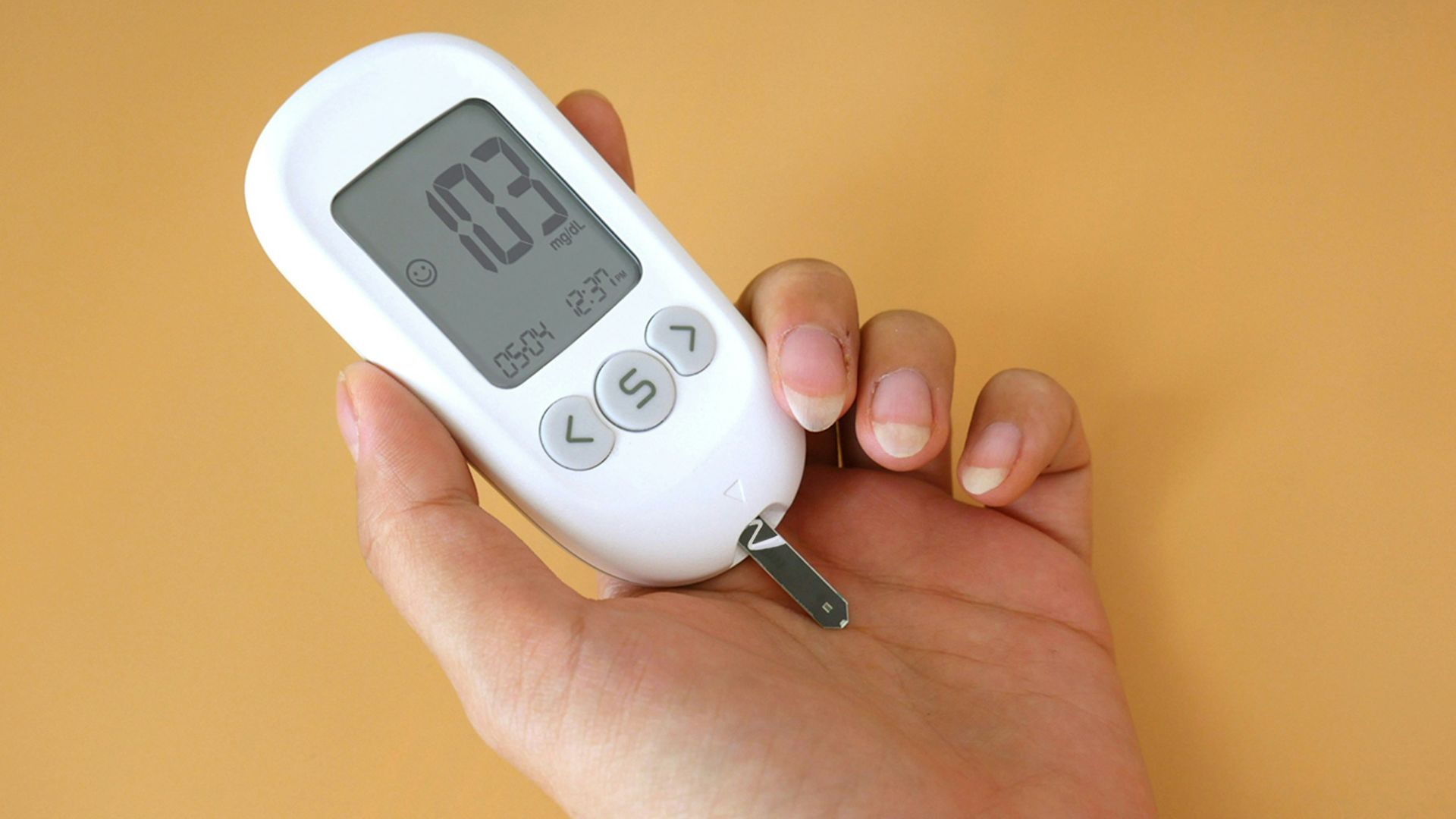
As previously mentioned, a fasting body state leads to a decline in insulin levels. As your body becomes more responsive to insulin, it will absorb glucose more easily. This, in turn, means your body is less likely to experience intense sugar spikes and will stabilize your blood sugar overall.

1. Increase Cortisol
Cortisol, or our stress hormone, is needed to keep your energy levels up. While cortisol supports fasting by triggering the release of stored energy, too much cortisol can be counterproductive. This is usually seen through trouble sleeping, brain fog, fatigue, or struggling with intense cravings.

2. Abnormal Menstrual Cycles
Yes, fasting can cause issues among those who menstruate. When you restrict too much for too long, your body goes into survival mode. This can affect your body's ability to properly release hormones like estrogen and progesterone. If you’re thinking of trying intermittent fasting, balance is absolutely key to keeping yourself regular.
 Reproductive Health Supplies Coalition on Unsplash
3. Irritability
This could also be known as being “hangry,” where low blood sugar can affect your mood regulation. While this may improve as your body gets used to this new style of eating, you’ll have to be prepared for a period when you could experience fatigue, anger, and a lack of concentration.

4. Malnutrition
Like any caloric-restrictive diet, intermittent fasting can lead to malnutrition; however, this is more a matter of your diet rather than your eating schedule. If your diet lacks essential nutrients, your body will start to break down. This could be shown through fatigue, muscle loss, and general weakness.

5. Heart Health
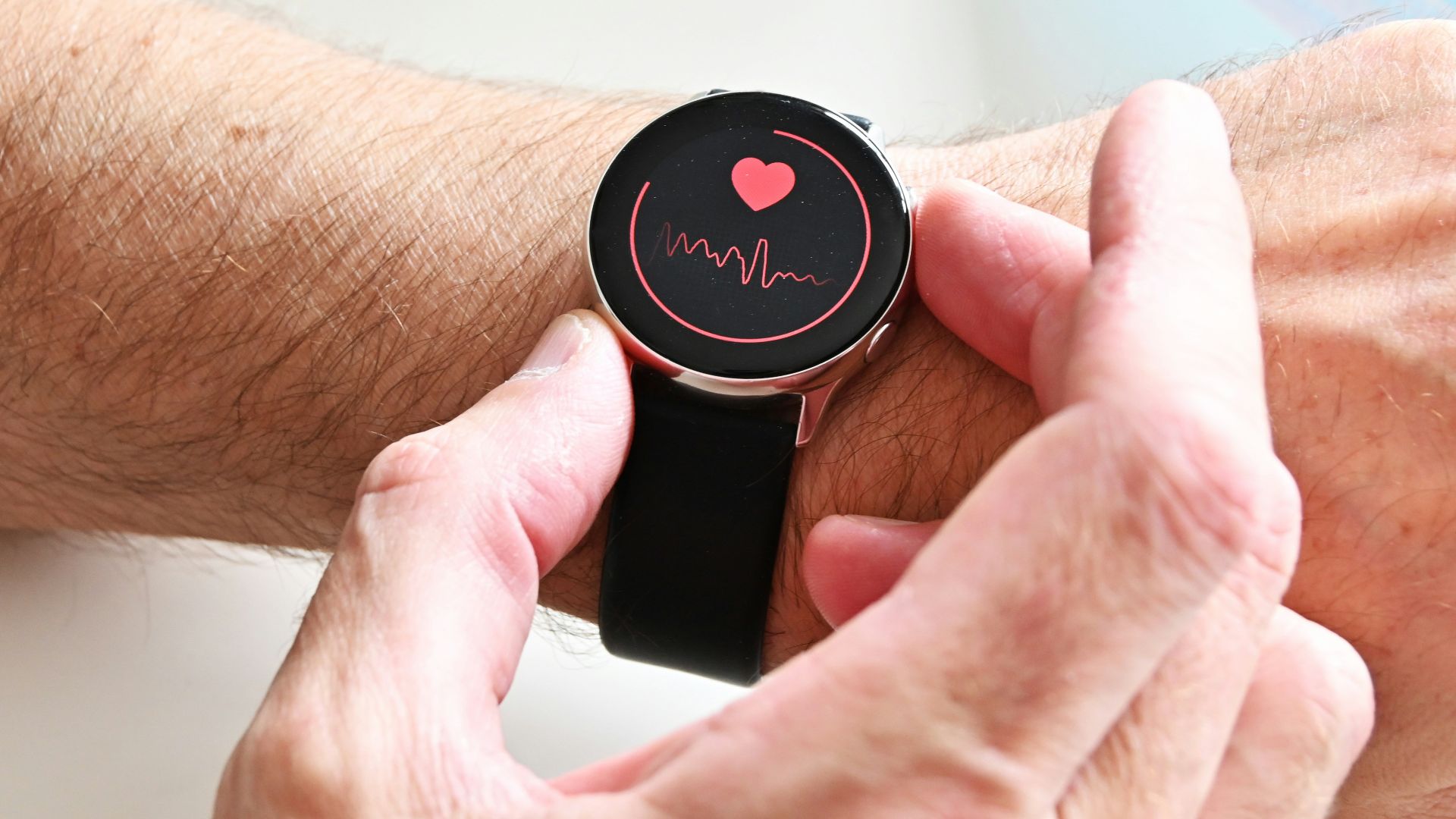
A recent study has shown that an eight-hour time-restricted eating window has been linked to a higher risk of cardiovascular death. In fact, a prolonged period of eating (16 hours/day) was associated with a lower risk of cancer mortality among cancer patients.
6. Mass Loss
Again, this comes down to issues of diet rather than the style of diet. However, periods of fasting limit your body’s ability to consume amino acids, which help to build muscle. If you’re looking to gain muscle while doing intermittent fasting, your best bet is to prioritize a high-protein diet and to eat after your workout.

7. Bone Density
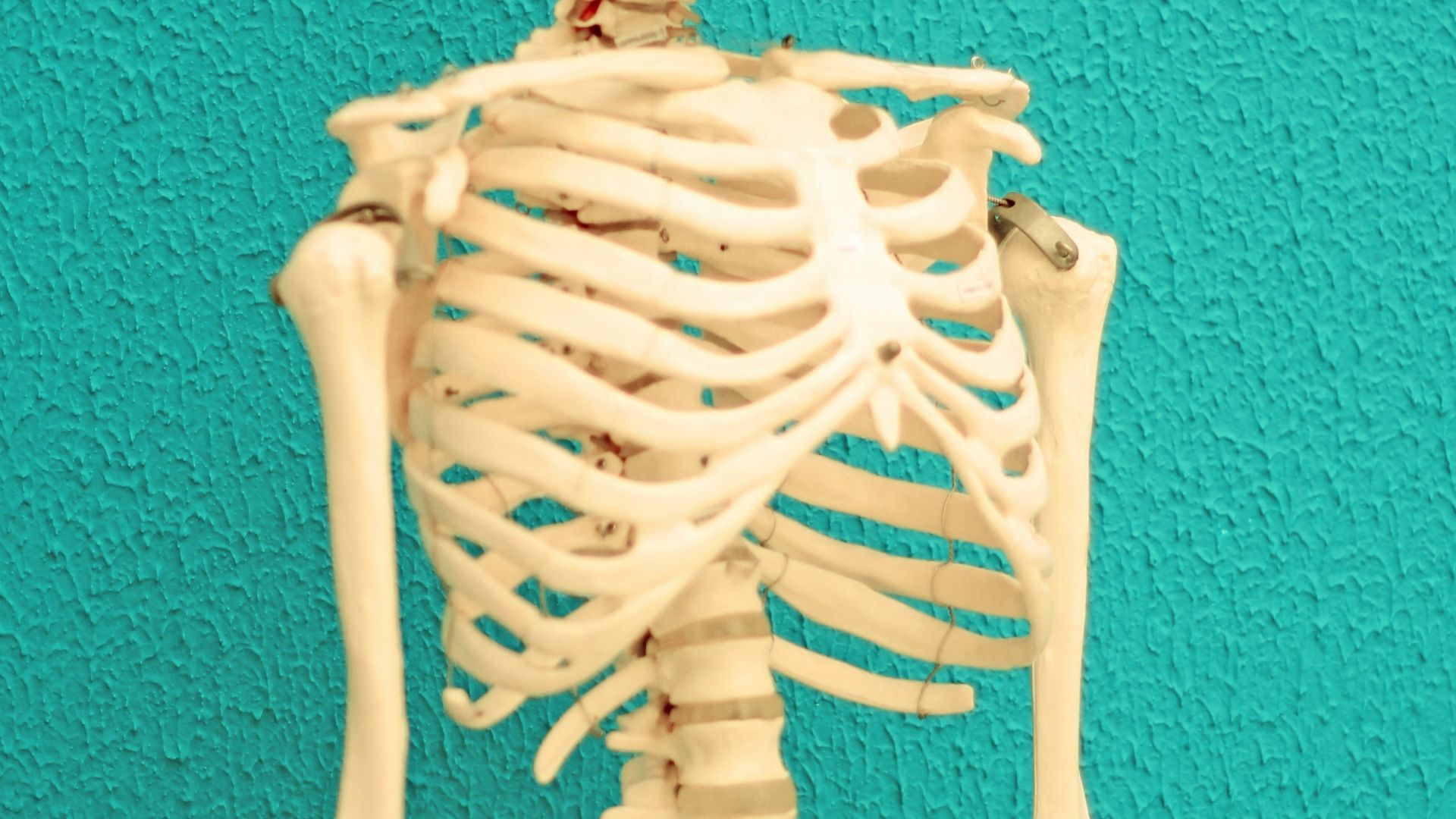
While no studies have confirmed whether intermittent fasting affects bone density, general caloric restriction can. Again, it's important to get a proper amount of calcium, vitamin D, and other essential minerals to ensure your skeleton is as strong as you are.
8. Loss Of Focus
Just like with irritability, the loss of glucose during fasting may cause some difficulty with concentration. This may shift as your body gets used to using glucose stores, but it's still something to consider.

9. Disordered Eating
If you have a history of disordered eating, intermittent fasting may not be the right choice for you. This could lead to obsessive calorie counting, more intense dietary restrictions, compulsive exercising, or binge eating disorder, where you consume a high amount of calories within your eating window.

10. If You Have The Following
It's recommended that you avoid intermittent fasting if you are pregnant or breastfeeding, have Type 1 diabetes, or are on specific medications. Children, teens, and older folks should also avoid this dietary style, and you should always consult a doctor before trying it out.