
Keeping The Weight Off After 50
Many people hit their fifties and suddenly find that every pound feels harder to manage. The changes are subtle at first, then they start affecting your routines and comfort. That’s why a mix of awareness and smarter habits can make a huge difference. Before we jump into tips that support steady progress, let's start by looking at why losing weight becomes tougher at this age.
 AllGo - An App For Plus Size People on Unsplash
1. Loss Of Muscle Mass (Sarcopenia)
You might notice that strength feels different after 50, and sarcopenia plays a huge role in that shift. Muscle loss slows calorie burn, which invites fat to settle more easily. Women feel the change faster after menopause, though strength training can refresh muscle power impressively.

2. Decline In Estrogen Levels (Women)
Once estrogen drops, the body changes where it stores fat and places more of it around the midsection. That shift raises inflammation and affects insulin signals. These hormonal turns also influence energy and cardiovascular health, which affect weight journeys during the post-50 stage.
 AllGo - An App For Plus Size People on Unsplash
3. Gradual Testosterone Reduction (Men)
As the years move forward, testosterone gradually settles at lower levels, and that shapes metabolism in noticeable ways. Muscle maintenance becomes tricky, and insulin response shifts. Some men who return to steady exercise notice these patterns ease and find belly weight more manageable.
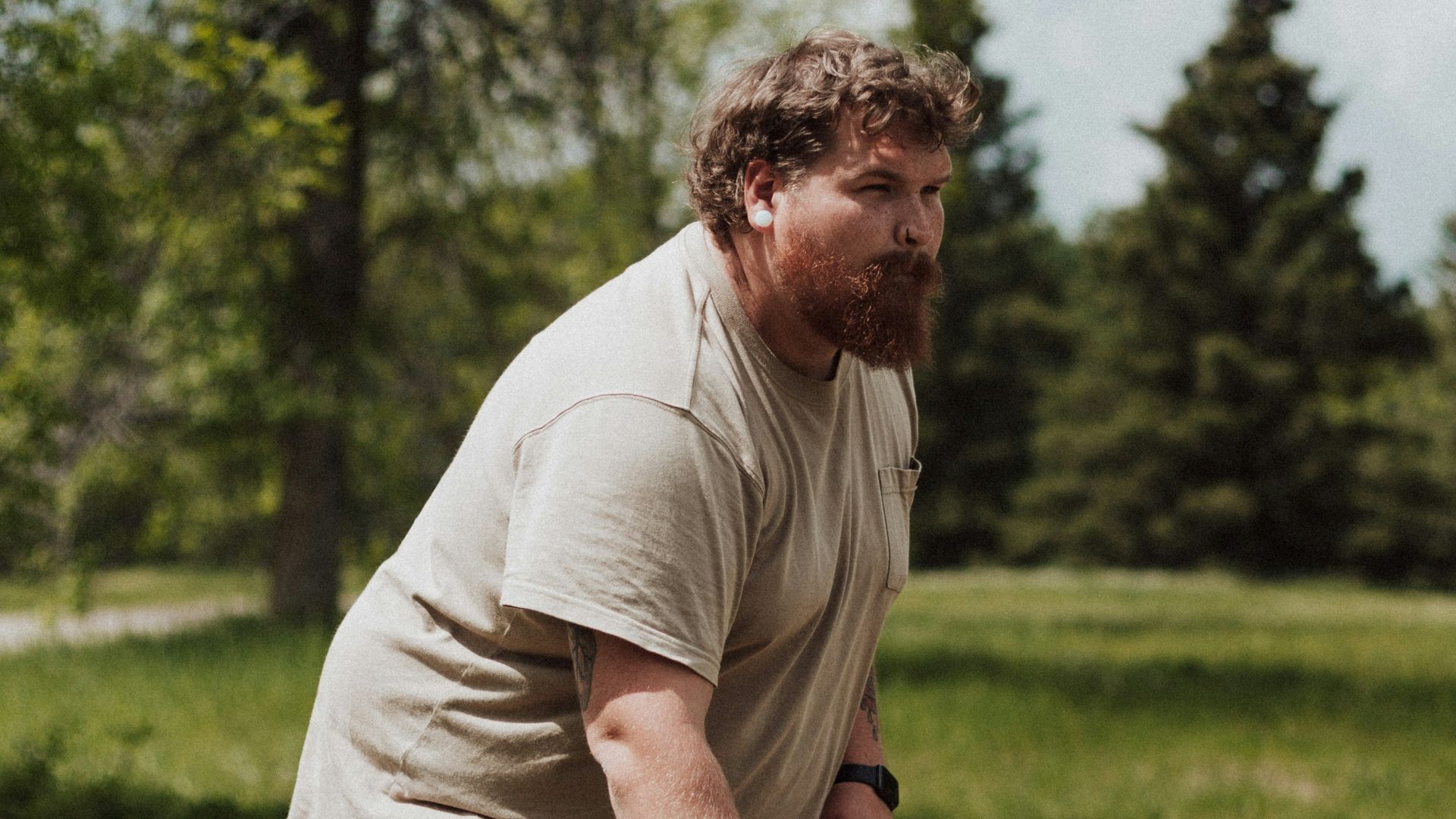 Priscilla Du Preez 🇨🇦 on Unsplash
4. Basal Metabolic Rate
Daily calorie burn naturally cools down with age, even when routines stay familiar. This slowdown often trims off a couple of hundred calories from your usual burn. Along with muscle changes, weight plateaus appear more often, but smart movement can lift metabolism slightly for better momentum.

5. Growth Hormone Production
After age 50, nighttime recovery shifts as growth hormone rises in smaller amounts. Reduced levels hinder muscle repair and fat utilization, creating additional obstacles for weight loss and making progress slower than before.

6. Insulin Resistance
Cells respond differently to insulin with age, encouraging more visceral fat in the process. The encouraging part is that targeted lifestyle tweaks often turn insulin sensitivity around faster in older adults, which helps them gain ground in the early stages of weight loss.

7. Poor Sleep Quality
Sleep quality drops significantly after 50 and disrupts hunger hormones that drive appetite higher. Menopause adds extra sleep interruptions for women and affects how the body stores fat. Poor rest becomes a hidden factor that pushes weight gain steadily upward.

8. Chronic Stress Levels
Stress takes on a different rhythm later in life, often raising cortisol for longer stretches. That hormone urges the body toward comfort foods and central fat storage. With thyroid function affected too, metabolism slows even further.

9. Medication Side Effects
Weight changes can sometimes trace back to the medications commonly introduced after midlife. Certain prescriptions influence appetite in surprising ways, while others quietly shift metabolism or fluid balance. These internal changes often show up on the scale long before you realize what’s causing the shift.

10. Joint Pain And Arthritis
Many people over 50 deal with joint stiffness that limits how often they move. Fewer steps each day means lower calorie burn. Weight creeps up faster when pain makes physical activity feel difficult or impossible to maintain regularly.

After highlighting why losing weight becomes tricky at this stage, it’s time to focus on effective methods that truly help.
1. Incorporate Strength Training Routines
Strength work brings steady progress once it becomes part of your weekly rhythm. Muscle returns, metabolism rises, and daily movements feel easier. With each session, your strength grows in a noticeable way, and that confidence carries into everything from errands to long walks.

2. Boost Daily Protein Intake
Protein brings structure to your meals by keeping hunger calm and satisfaction steady. As intake rises, muscle stays protected during weight changes and creates a smoother path forward. Desserts even feel easier to enjoy since your appetite remains balanced throughout the day.

3. Prioritize Hydration With Water Focus
Starting your mornings with water sets a cleaner pace for the rest of the day. Hydration encourages better calorie burn and makes pre-meal drinking incredibly effective for weight control. It also helps your body distinguish between thirst and hunger, leaving you feeling lighter and more energized throughout the day.

4. Ensure Consistent Quality Sleep
Once sleep becomes steady, appetite patterns settle almost immediately. Cravings soften, and weight loss efforts start to feel manageable. Good rest even supports long-term progress, which turns your nighttime routine into a powerful tool for overall well-being.

5. Increase Fruit And Vegetable Consumption
Colorful produce shifts your plate toward lighter, filling foods with almost no effort. Each serving naturally takes the place of heavier dishes, while guiding slow and steady loss. Over time, meals look brighter and bring a satisfying sense of volume without overeating.

6. Practice Mindful Eating Techniques
Letting meals unfold slowly invites your senses to take the lead. Hunger and fullness cues feel sharper, and stress munching quiets down. Ordinary dishes become more interesting as you tune into textures and flavors with real curiosity.

7. Engage In High-Intensity Interval Training
Short bursts of movement offer impressive results once they’re adapted to your pace. Each session boosts power and sparks extra calorie burn long after you finish. The quick format makes staying active feel achievable, even on days with tight schedules.
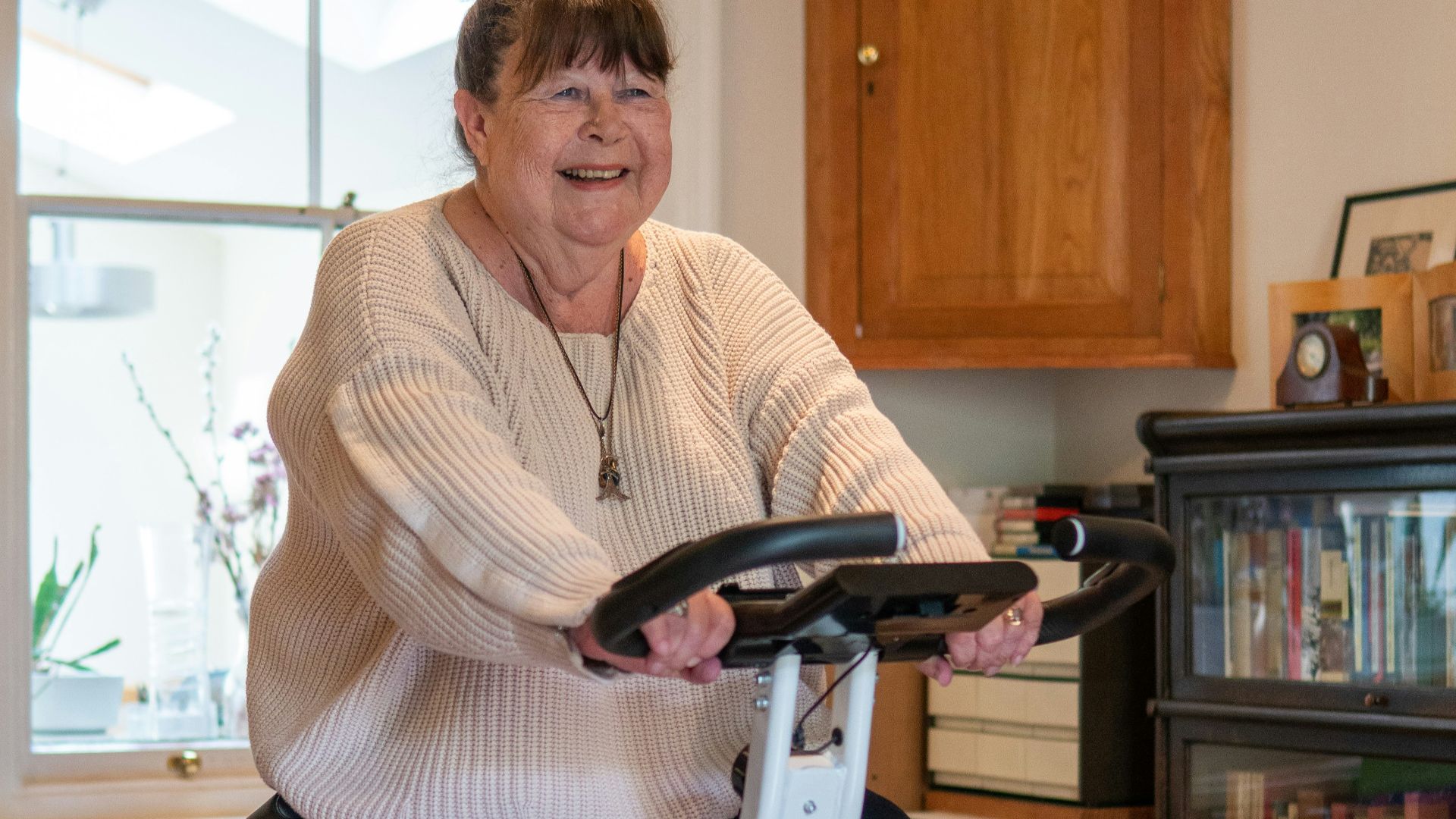 Centre for Ageing Better on Unsplash
8. Cook More Meals At Home
Home cooking shifts the balance toward controlled portions and fresh ingredients. As you prepare meals yourself, flavors become customizable, and calories stay reasonable without strict rules. Spices and simple swaps create an enjoyable routine that supports healthy changes.

9. Incorporate Whole Grains Daily
Whole grains add steady energy and long-lasting fullness. The fiber encourages better digestion while helping your body burn slightly more during processing. Oats, barley, and quinoa blend into meals easily, creating comforting dishes that support consistent progress.
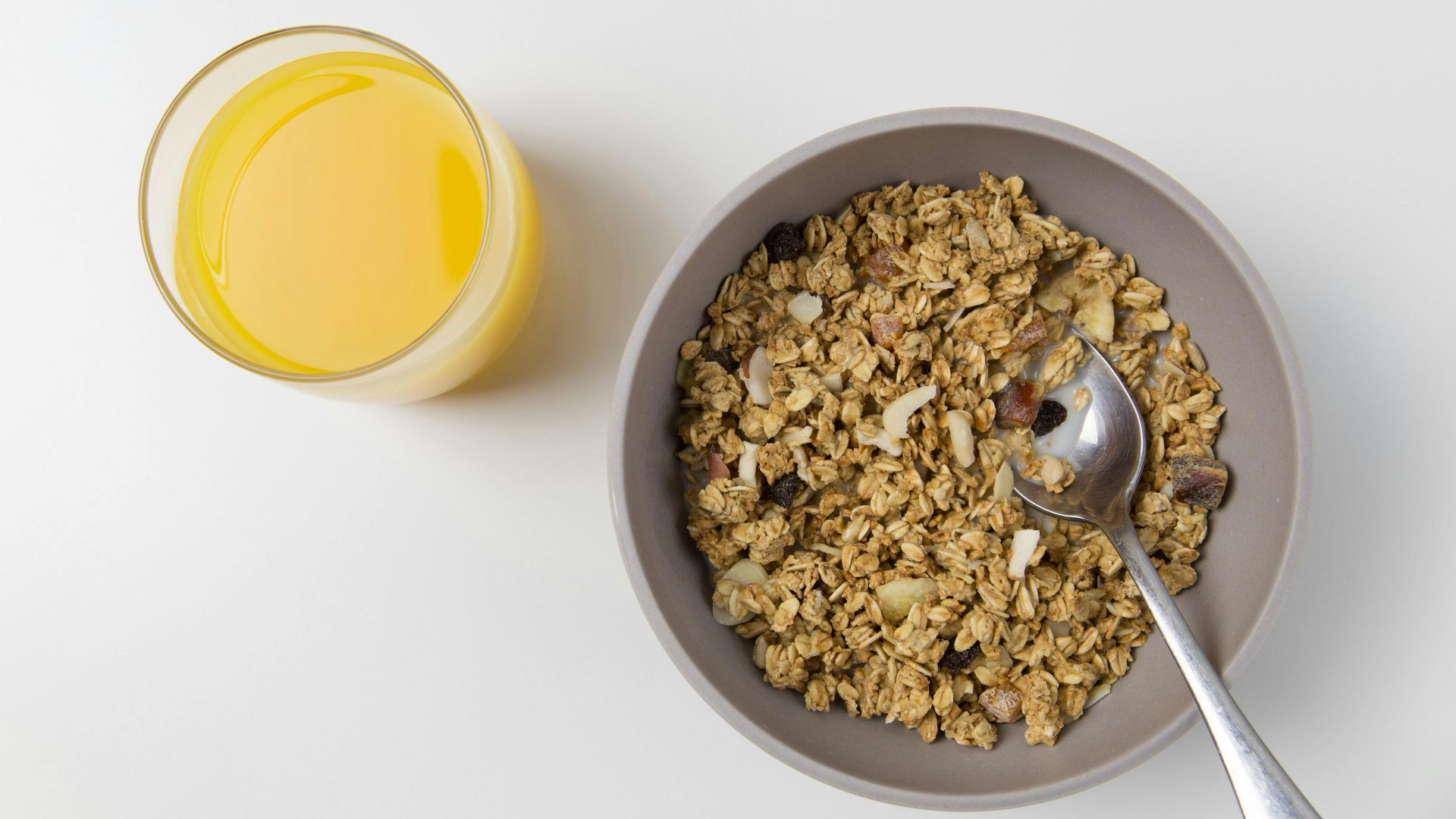
10. Try Intermittent Fasting With Caution
Time-based eating introduces a sense of rhythm to your days. Hunger settles into predictable patterns, and meals feel more intentional. With guidance, this method works smoothly for adults over 50, especially when it aligns with natural daily routines.

KEEP ON READING


20 Ways to Deal With Your Sweet Tooth

20 Low-Impact Exercise Ideas For People Over 50