Smart Seasonal Choices
Most diabetes advice treats the holidays like they're optional. Just skip the party, avoid the dessert table, and refuse everything delicious. But real life doesn't work that way. You have family traditions worth keeping, social obligations that matter, and frankly, you deserve to enjoy December like everyone else. These methods will help you show up fully without spending January recovering from preventable complications.

1. Create A Holiday Meal Plan With Balanced Macronutrients
Planning meals helps avoid sudden blood sugar spikes, which is particularly important when festive foods arrive loaded with hidden sugars and refined carbohydrates. Balanced meals keep energy steady during celebrations, ensuring you won't crash halfway through unwrapping gifts.

2. Check Blood Sugar Before And After Meals
By providing you with real-time data on how your body reacts to that slice of honey-glazed ham or cranberry sauce, monitoring ensures that food choices don't harm you. Portable meters make it easy to check discreetly, slipping into a pocket or purse.

3. Limit Dessert Intake By Choosing One Small Serving
Smaller portions reduce sugar overload while allowing enjoyment without health risks. This creates a sustainable middle ground between deprivation and overindulgence. Appreciate the craftsmanship of holiday baking without turning your plate into a dangerous sugar avalanche.

4. Bring A Homemade, Diabetic-Friendly Dish To Gatherings
This move guarantees at least one safe option to eat, which also eliminates the anxiety of scanning unfamiliar dishes for hidden dangers. It's a chance to showcase creative recipes using sugar substitutes, whole grains, or vegetable-forward preparations that surprise guests with their flavor.

5. Avoid Skipping Breakfast On Feast Days
Holiday breakfasts can be decorated with festive colors, turning your first meal into a celebration that sets a positive tone for the entire day ahead. Eating early prevents blood sugar drops that can leave you irritable before the main festivities even begin.

6. Choose Whole-Grain Holiday Breads And Stuffing
As we know, whole grains digest more slowly than refined ones. It releases glucose gradually rather than flooding your bloodstream with an immediate spike that requires aggressive insulin intervention. Besides, rustic breads add charm to the holiday table.

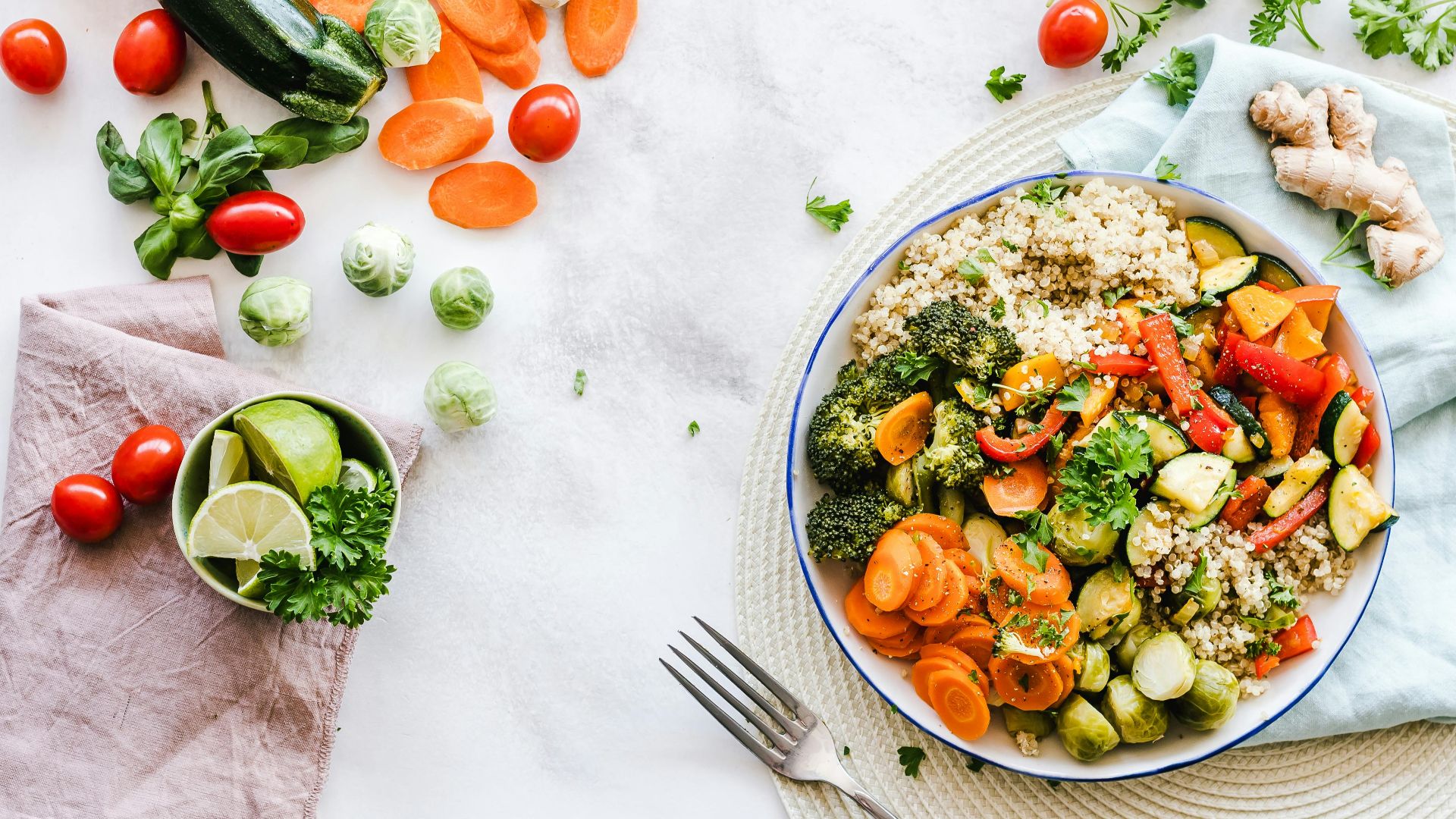
7. Fill Half The Plate With Vegetables
Vegetables lower overall carb intake while they add fiber to balance meals. This slows digestion and prevents glucose spikes from the richer dishes sharing your plate. Crunchy textures bring holiday cheer and provide satisfying bites that make you feel full.
8. Stay Hydrated Throughout Parties
Water helps regulate blood sugar by supporting kidney function and helping your body process glucose more efficiently. After all, sparkling water feels like a celebration as it lets you hold a fancy glass and participate in toasts without consuming alcohol.

9. Schedule Short Walks After Large Meals
Going on a stroll with family can become a tradition, creating new holiday rituals that prioritize health while strengthening relationships across generations. Walking aids digestion and helps lower post-meal glucose, with even 15 minutes of gentle movement proving effective.

10. Opt For Fruit-Based Desserts
Go for fruit-based desserts instead of decadent, sugary treats during the holidays. Fresh berries, sliced apples, oranges, and baked pears offer natural sweetness along with fiber, which also tends to slow sugar absorption. This helps prevent sharp spikes in blood sugar.

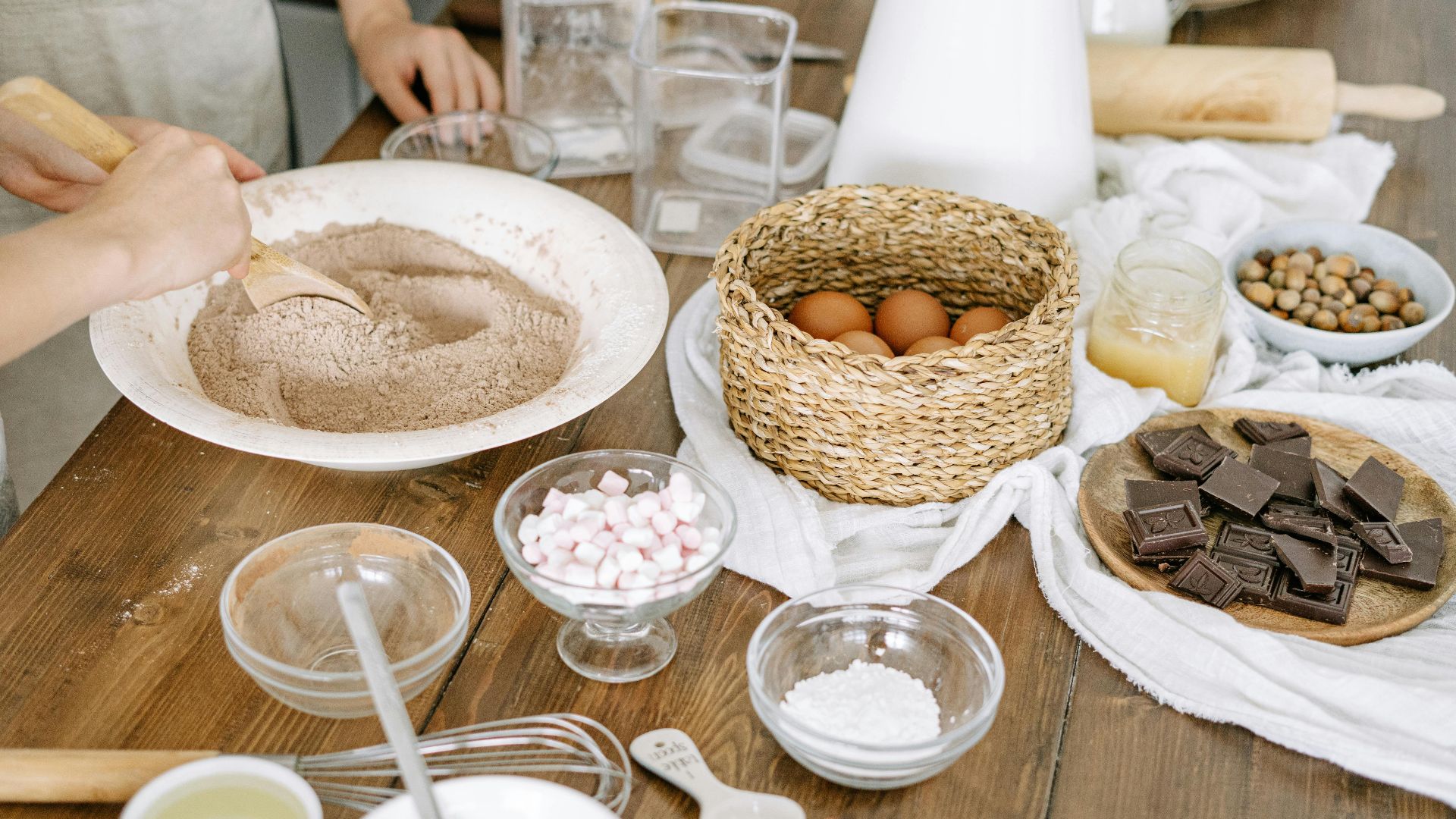
11. Use Sugar Substitutes In Holiday Baking
Making use of such substitutes reduces sugar load without sacrificing the joy of preparing festive treats that fill your home with cinnamon and vanilla aromas. Guests often can't tell the difference between traditional recipes and your modified versions, which validates your efforts.
12. Prioritize Lean Proteins
It is said that lean proteins stabilize blood sugar by slowing digestion and preventing the rapid glucose spikes that carbohydrate-heavy meals trigger. Holiday turkeys often become the centerpiece of the meal. They keep you full longer, reducing the temptation to graze on cookies.

13. Set Reminders For Medication Or Insulin Doses
Want to make medication reminders feel less clinical and more integrated into the festive atmosphere? Phone alarms can be set to holiday tunes. Reminders prevent missed doses that could derail your entire day's glucose control, especially when you're distracted.

14. Politely Decline Second Servings When Already Satisfied
Avoid overeating and sugar spikes that can ruin the rest of your evening. Hosts often admire discipline, especially when they're struggling with their own health goals and see your graceful boundaries as inspiration rather than rejection of their hospitality.

15. Dress Comfortably To Encourage Movement
It is advisable to choose breathable fabrics, supportive footwear, and flexible clothing that doesn’t restrict circulation. When you feel physically at ease, you’re more likely to stay active, helping improve insulin sensitivity and stabilize blood sugar levels.

16. Plan Travel With Extra Snacks And Supplies
Always be ready to prevent emergencies during trips that strand you far from diabetic-friendly food options. Travel snacks can be packed in festive tins, making preparation feel like part of the holiday experience rather than anxious medical preparation for worst-case scenarios.

17. Communicate Dietary Needs Clearly To Hosts
Ensures safe food options are available when you arrive. This eliminates the stomach-dropping moment of scanning a buffet and finding nothing you can safely eat without compromising your health. It reduces stress about meals by handling logistics in advance.

18. Read Food Labels On Packaged Holiday Treats
This simple activity helps you spot hidden sugars, refined carbs, and unhealthy fats. Pay close attention to serving size, total carbohydrates, and added sugars. Don’t be fooled by “low-fat” or “sugar-free” claims, as they often still affect blood sugar.

19. Maintain Consistent Sleep Routines
Sleep stabilizes blood sugar by regulating hormones like cortisol and insulin that directly affect glucose metabolism. Rest reduces holiday fatigue that impairs judgment about food choices, medication timing, and stress management when you're already stretched thin by social obligations.

20. Monitor Stress Levels By Scheduling Downtime
Relaxing with music feels festive when you choose seasonal instrumentals that maintain holiday atmosphere while lowering your heart rate simultaneously. Also, downtime restores balance by giving your body permission to reset and recover from the constant stimulation of parties.

KEEP ON READING