
Bad Habits That Keep You Up at Night
When we head to bed at night, all we want is a good night’s sleep—but sometimes our own habits make it harder than it should be. From scrolling on your phone to worrying excessively, the choices you make before bed can throw off your sleep cycle and leave you groggy in the morning. If you're wondering how to get proper shut-eye, here are 20 things you shouldn’t do before bed—and why skipping them can make all the difference.

1. Have a Nap
You might think that napping before your bedtime can prime your body for sleep and you'll be ready to hit the hay once you climb under the sheets, but the opposite is likely more true. If you get some shut-eye in before your actual bedtime, you might throw your sleep cycle off-course and end up lying awake in bed.

2. Scroll on Your Phone
You probably know this one: don't scroll on your phone before bed. The blue light from your screen signals to your brain that you should stay awake and alert, delaying melatonin release, the hormone that promotes sleepiness. By the time you actually want to drift off, you'll find that it'll take more effort than it should.

3. Exercise Intensely
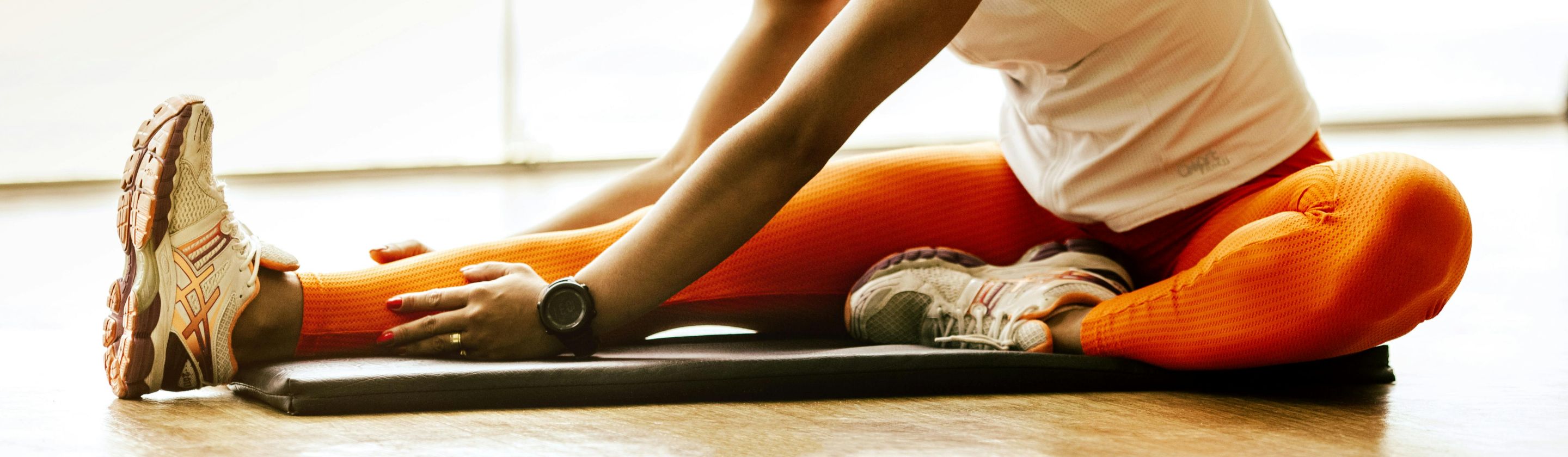
It's good to get some exercise in, and you should aim for at least 30 minutes of moderate-intensity physical activity daily. The only time you shouldn't do it? Before bedtime. Scheduling your workout too late (or delaying sleep to exercise) may only make it harder for you to fall—and stay—asleep at night.

4. Worry Excessively
Ever lain awake in bed all night because you couldn't stop worrying about a job interview scheduled for the morning? You're not alone. While you probably already know this, it's not good to stress your brain out when it's bedtime, especially over things you can't control. If it helps, try setting a cut-off time for your worries, such as "no worrying after 9PM."

5. Chug Water
While you want to make sure you're drinking enough water every day (the daily recommended intake for adults is at least eight cups per day), you don't want to be making up for it before bed. Chugging too many liquids too close to bedtime will only make you rise numerous times throughout the night to use the bathroom.

6. Smoke
Some might think smoking helps them relax, but nicotine is a stimulant, and it may only worsen your insomnia if you already experience sleep troubles. Plus, you might wake up earlier than intended in the morning because of nicotine withdrawal. If you ever needed an excuse or motivation to quit, this might be your sign.

7. Turn Up the Thermostat
Sure, it might make sense to turn up the heat in the colder seasons so you're warm and toasty when you slip into bed, but sleeping in a furnace is something your body doesn't actually want. In fact, most people prefer to sleep in cooler environments—that way, they can bundle up without getting too hot in the middle of the night.

8. Get Into an Argument
Getting into a heated argument is another thing you shouldn't do before bed. Just like overthinking or worrying excessively, when your emotions are high-strung, your cortisol levels are hiked up, making it tougher for you to fall asleep. If there's a conflict or issue you need to sort through, make sure to get it resolved earlier in the day so you're not stuck ruminating about it in bed.

9. Drink Caffeine
This is probably another one you already know. While caffeine can help keep you alert and productive during the day, drinking it too close to bedtime will make it—unsurprisingly—harder to fall and stay asleep. Make sure you steer clear of caffeinated beverages at least six hours before bedtime. And while you're at it, skip the nightcap, too.

10. Play Video Games
Just as you shouldn't scroll on your phone before bed, you'll also want to avoid playing video games. Why? Because they require a lot of interaction and engagement, and all that mental stimulation can wreak havoc on your sleep cycle, making you "too excited" to fall asleep.

11. Take a Shower
A hot bath before bed may be just what you need to wind down, and that might be true if this is already your normal routine. But if you typically shower in the morning and make a sudden switch to do it at night, that shift might send the wrong message to the brain. Plus, if you have long hair that takes a while to dry, that'll only keep you awake further; you don't want to go to bed with damp hair, after all.

12. Let Your Pet in Bed
Unless you already snuggle with your pooch or feline every night and sleep just fine, it's best not to let your furry friend climb into bed with you. Studies have shown that people experience poorer sleep when sharing the bed with their pet, whether because of constant movement, pet hair, or dander.

13. Doomscroll
You already know you shouldn't be looking at your phone before bed, but if there's one thing you absolutely shouldn't do on your device, it's doomscrolling. It'll spike your anxiety—and your cortisol levels—up, and you'll likely end up rolling in bed all night thinking about worst-case scenarios.

14. Eat Spicy or Greasy Food
Your last meal should come at least two to four hours before bedtime; eat any later than that, and you won't give your body enough time to digest properly, which can lead to acid reflux, heartburn, and indigestion. And if you're snacking on spicy or greasy foods, you'll only be giving yourself a harder time.

15. Check Work Emails
Leave the email checking for when you're on the clock—scrolling through your inbox before bedtime can spike your cortisol levels. Unless someone's waiting on an urgent reply from you, taking a glimpse of what needs to be done at the office will fill your mind with stressful thoughts and keep you awake, so do you and your body a favor and check your mail in the morning instead.
 Stephen Phillips - Hostreviews.co.uk on Unsplash
16. Chat or Text a Friend
You may think sending a quick text to your friend or calling them up for a short chat won't affect your sleep too much, but think twice. Not only might you be too excited to sleep afterwards, depending on the conversation topic, but subsequent replies from your friend could also disturb you when you're trying to get some shut-eye.

17. Keep the Lights On
Unless you're afraid of the dark and sleep better with the lights on, it's best to keep your room cool and dim. Bright lights, including night lights, may signal to your brain that it's still time to stay awake, thus delaying melatonin production.

18. Stray from Your Usual Bedtime
If you're retiring earlier than your usual bedtime, you'll probably find that it takes much more effort to fall asleep. And if the sun still hasn't fully set, you'll only be rolling around even more. That's because your body's internal clock, or circadian rhythm, is used to a regular schedule, and sudden changes can confuse it. To get the best rest, it's best to stick to consistent sleep and wake times, even on weekends.
19. Work or Study on Your Bed
Do you regularly work or study on your bed? If so, you're weakening the association that your bed is for sleep only, which may make it harder for you to get shut-eye at night. Make sure to keep your work separate from the place you rest by setting your productive space up outside the bedroom.

20. Any Change to Your Usual Routine
Don't make any abrupt changes to your usual routine. If you do anything you don't normally do—take a long shower, exercise, head to bed extra early—you'll confuse your brain and send the opposite message: that it's not ready for sleep yet. Make sure to stick to a consistent routine every night so that your mind is relaxed and ready before you even hit the hay.

KEEP ON READING

20 Foods Perfect For A Low-Carb Diet