How Clocks Affect Health
Twice a year, we move our clocks by just one hour, and that tiny shift does more than change the time. It can throw your body and routine completely off balance in ways most people don’t even realize. But here’s the twist: not all of its effects are bad. Some might even surprise you for the better. Want to know how? Let’s examine the drawbacks first.

1. Increased Risk Of Heart Attacks
Heart troubles really do spike after the clocks jump forward, especially on the Monday that follows, a day some doctors even call “Heart Attack Monday”. Losing sleep and disrupting the circadian rhythm put extra stress on the heart, which creates the perfect storm for this dangerous surge.

2. Higher Incidence Of Strokes
You know that foggy feeling after losing an hour of sleep? For some, it’s actually a health risk. Ischemic strokes rise in the first two days after the spring change. Interestingly, the same spike doesn’t happen in the fall, which shows how strongly the brain depends on sleep and timing.

3. Disrupted Hormonal Balance
The body relies on precise hormone timing. A sudden shift in sleep patterns can throw off the release of hormones like insulin, ghrelin, and leptin—the trio that controls appetite, energy, and metabolism — causing irritability and energy crashes.

4. Impaired Cognitive Performance
Think of losing an hour as mild jet lag. The single missing hour slows reaction time and clouds decision-making. Many describe feeling dazed or forgetful. As a matter of fact, our brains perform worse when sleep and circadian rhythms fall out of sync, even for just one day.
5. Increased Risk Of Depression
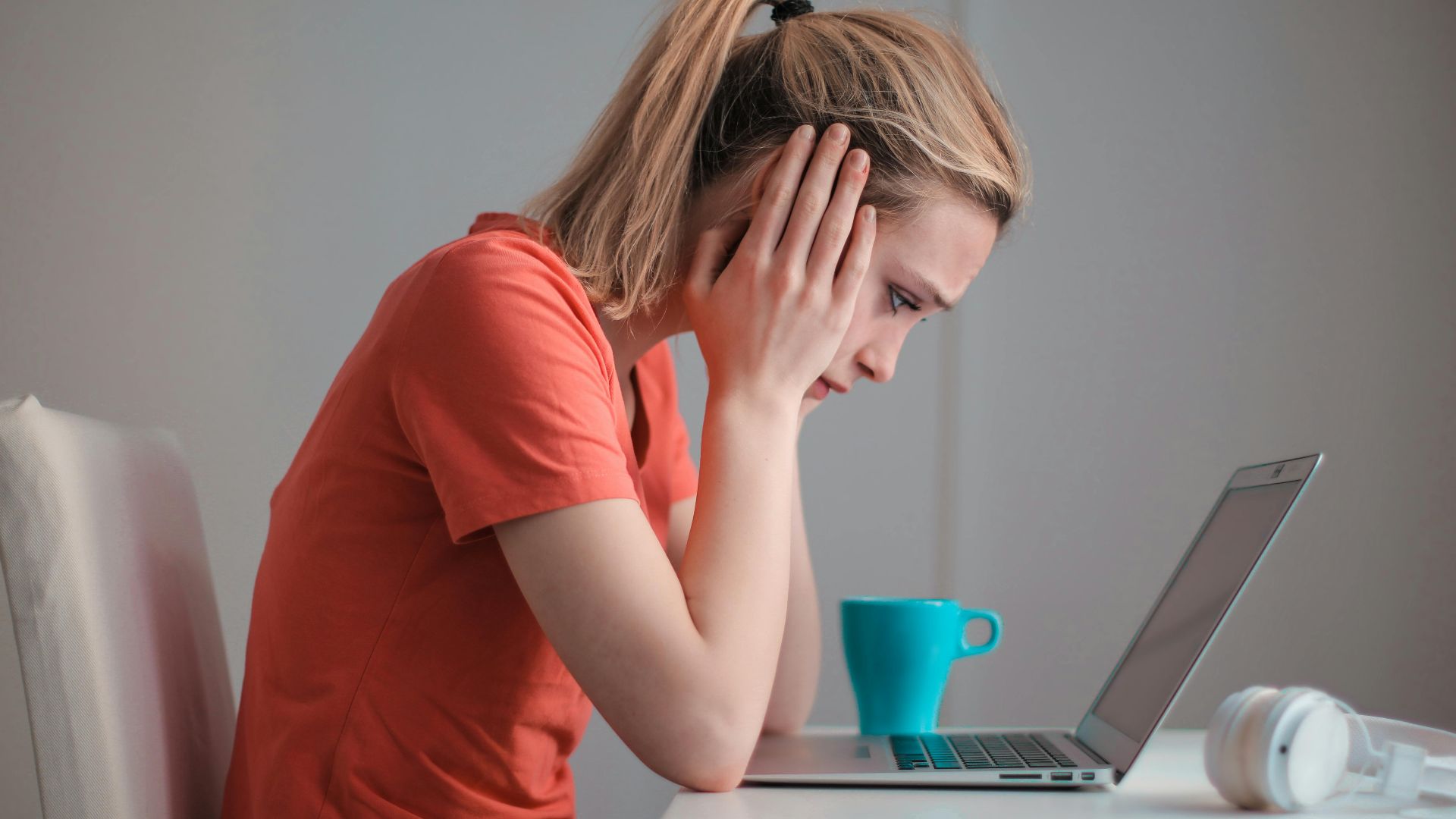
Mood can be fragile when sleep disappears. The disruption to the circadian rhythm after daylight saving time is enough to trigger or worsen depression in some people. Those already prone to mood swings feel it most.
6. Elevated Stress Hormone Levels
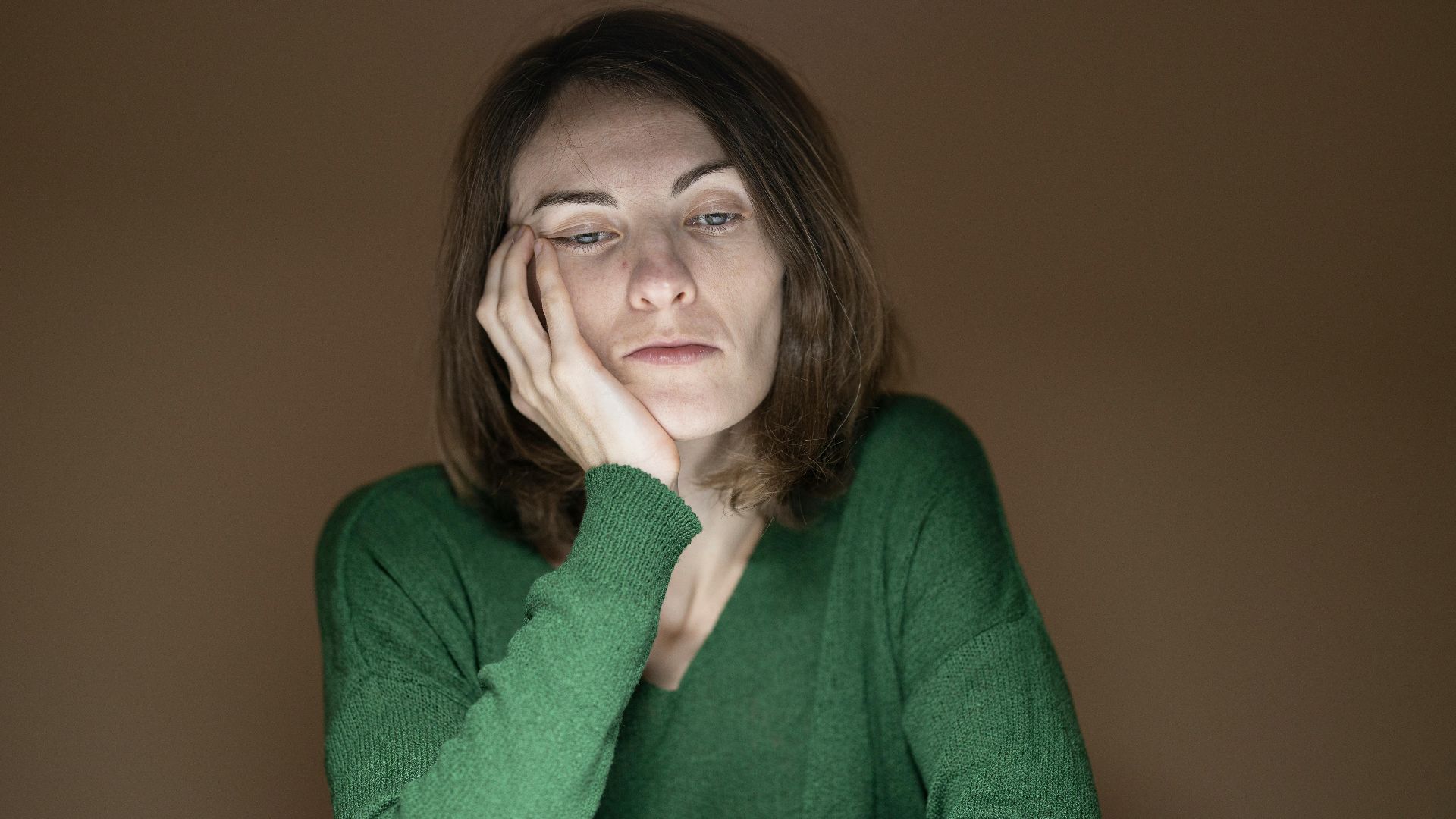
Here’s something many overlook: daylight saving time can jolt the stress system. The body responds to poor rest and rhythm disruption by increasing cortisol, the “stress hormone”. This spike can cause irritability, poor focus, and restlessness, making it even harder to sleep well the next night.

7. Decreased Metabolic Efficiency
Your body runs best on routine. When daylight saving time messes with your sleep and meal times, your metabolism has to play catch-up. That’s why managing energy, weight, and blood sugar feels tougher for a few days. The whole system’s out of sync until it resets.

8. Higher Risk Of Digestive Issues
The gut has its own clock, and daylight saving time messes with it. When sleep and meals fall out of sync, digestion falters. This can cause stomach aches or shifts in appetite. It’s the body’s way of protesting the abrupt time change, as it struggles to realign with new routines.

9. Reduced Melatonin Production
That extra sunlight might feel nice, but it also delays your body’s melatonin—the hormone that helps you fall asleep. When it’s released later, you end up tossing and turning instead of snoozing. It takes a few days for your system to get back on track.

10. Weakened Immune Response
When sleep gets disrupted, the immune system takes a hit. The body struggles to fight infections, making colds or other illnesses more likely. Even short-term sleep loss is linked to reduced defense against germs.

However, daylight saving time isn’t all doom and drowsiness. Some changes actually work with your body instead of against it. Ready for the brighter side? Let’s explore.
1. Encourages Natural Wakefulness
Brighter mornings cue the brain to suppress melatonin sooner, helping people wake up more easily and feel alert earlier in the day. This natural light signal keeps energy steady without relying as heavily on caffeine.

2. Boosts Cardiovascular Activity
With daylight stretching into the evening, physical activity rises. From brisk walks to casual rides, these moments in motion keep the heart strong, promote healthy circulation, and help maintain steady blood pressure over time.

3. Enhances Social Well-Being
Extended daylight encourages social connection, which has its own health perks. Gathering with friends outdoors or simply spending more time with family can lower stress hormones and improve emotional health. Humans thrive in sunlight and company—DST naturally makes room for both.

4. Promotes Healthier Eating Patterns
Once routines settle, longer daylight encourages earlier, more consistent meals. Avoiding late-night snacking and aligning eating times with activity supports digestion, boosts energy, and helps the body maintain natural rhythms, improving overall wellness over time.

5. Increases Vitamin D Exposure
Kids benefit a lot from daylight saving time. With more sun after school, they get extra time outdoors. This is perfect for producing vitamin D, the “sunshine nutrient” vital for strong bones and immunity.

6. Helps Regulate Blood Sugar Levels
Daylight saving time extends opportunities for post-work exercise. This added movement improves insulin response and helps stabilize blood sugar. It’s a subtle but effective way to support metabolic health and reduce late-day glucose fluctuations.

7. Eases Seasonal Affective Symptoms
For people sensitive to shorter days, daylight saving time provides an emotional lift. Longer exposure to sunlight increases serotonin levels and helps regulate mood-related hormones. Those extra hours of light in spring and summer make the transition out of winter blues smoother and more energizing.

8. Improves Eye Health
Spending more time outdoors in natural daylight gives eyes a needed break from artificial lighting and screens. Natural light exposure helps maintain healthy vision and reduces strain. For kids, regular outdoor time even lowers the risk of developing nearsightedness—a bonus benefit of brighter evenings.

9. Enhances Mental Clarity
As daylight extends into the evening, hormone regulation improves—cortisol and serotonin stabilize, leading to clearer thinking. People often notice better focus, faster reactions, and an overall lift in cognitive performance compared to darker, winter periods.

10. Strengthens Sleep Quality In The Long Run
Though the first week of DST can be rough, the added daylight can help realign the body’s natural rhythms. More light exposure during waking hours reinforces a healthy sleep-wake cycle, which makes it faster to fall asleep and wake up consistently once the adjustment passes.

KEEP ON READING



20 Natural Ways You Can Boost Your Immune System

20 Ways To De-stress & Relax After Work

The 10 Most Common Diseases & The 10 Most Rare